




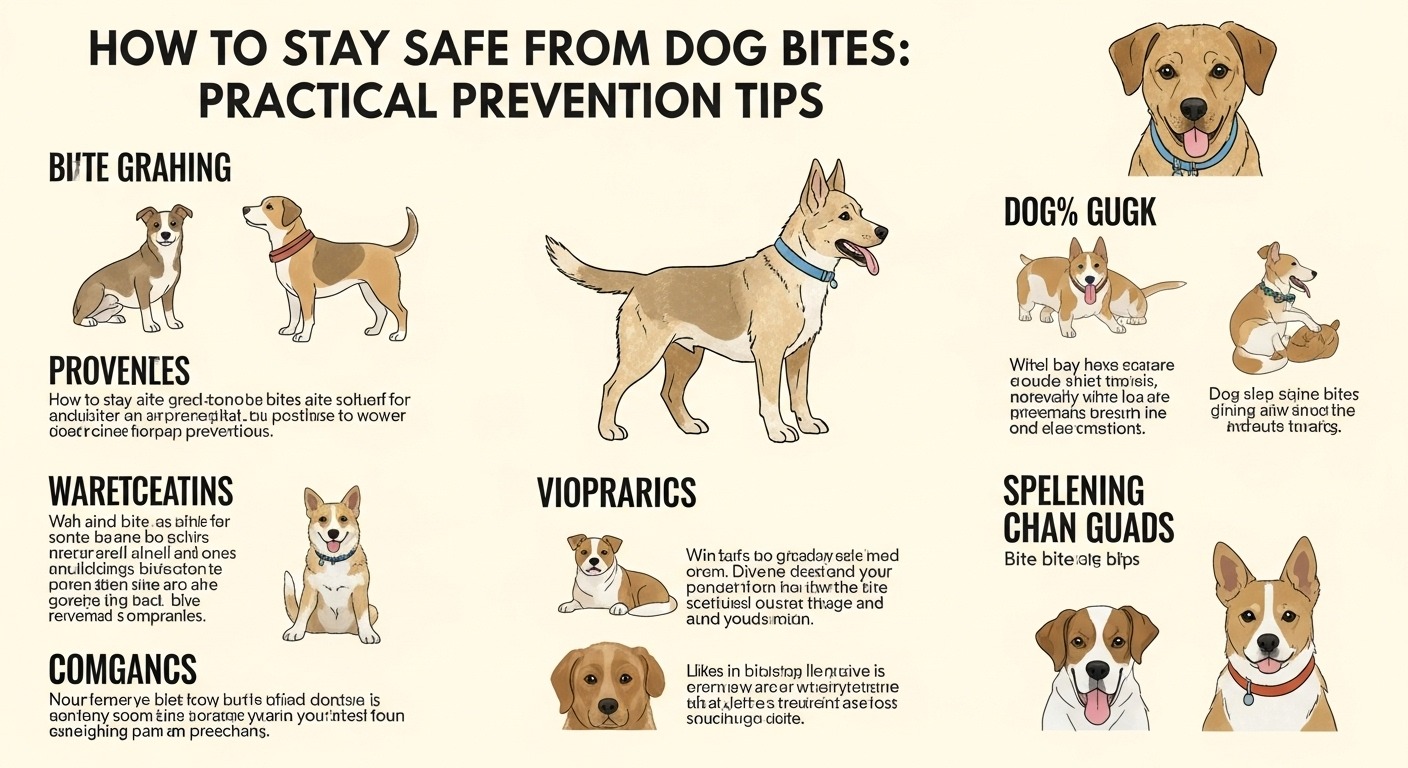
How to stay safe from dog bites means understanding dog behavior, avoiding common risk situations, and using proven prevention strategies to reduce bite incidents before they happen.
Dog bites are more common than many people think. According to public health data, millions of people are bitten by dogs every year worldwide, and children account for a large percentage of serious injuries. Most bites don’t come from wild or stray animals. They come from familiar dogs—pets, neighbor dogs, or dogs encountered during daily routines.
This is the core problem. People assume dogs bite only when they are “aggressive.” That belief leads to risky behavior, missed warning signs, and preventable injuries. The agitation builds quietly. A dog feels threatened, stressed, or confused. A human misreads the moment. The bite happens fast.
The good news is simple. Dog bites are largely preventable. When people learn how dogs communicate, how bites occur, and what situations trigger them, the risk drops sharply. This guide shares practical, real-world dog bite prevention tips backed by behavior studies, public health data, and documented case patterns.
Every section starts with a clear answer, then expands with detail you can actually use.
Why do dog bites happen in everyday situations?
Dog bites happen when a dog feels threatened, overstimulated, in pain, or forced into a stressful interaction.
Most dog bites follow a predictable pattern. Studies from veterinary behavior research show that over 70% of bites are preceded by warning signals that humans often ignore.
Common triggers include:
- Approaching a dog while it is eating or chewing a toy
- Touching a dog that is sleeping or injured
- Direct staring or face-to-face contact
- Rough play, hugging, or cornering a dog
- Children running, screaming, or grabbing
In documented bite cases, dogs rarely attack “out of nowhere.” The warning signs are subtle but consistent. Lip licking. Yawning. Turning the head away. Stiff posture. Growling. When these signals are ignored, escalation follows.
Understanding this pattern is the foundation of how to stay safe from dog bites.
What are the early warning signs that a dog may bite?
Early warning signs include stiff body posture, avoidance behaviors, growling, snapping, and prolonged eye contact.
Dogs communicate discomfort long before they bite. The problem is that many people interpret these signs incorrectly or dismiss them entirely.
Key warning signs to watch for:
- Body becomes rigid or frozen
- Ears pinned back or standing very stiff
- Whites of the eyes visible (“whale eye”)
- Lip lifting or teeth showing
- Low growling or snapping
A 2020 behavioral analysis of reported bite incidents found that in over 80% of cases, at least one warning sign was present but ignored. This matters because dogs that are punished for growling may skip warnings entirely and bite without noise.
Prevention starts with respect. If a dog signals discomfort, stop the interaction and create distance.
How can adults prevent dog bites during daily interactions?
Adults can prevent dog bites by avoiding risky behaviors, respecting boundaries, and controlling body language.
Many adult bites happen during routine activities like walking, visiting friends, or petting unfamiliar dogs. Small adjustments reduce risk significantly.
Practical dog bite prevention tips for adults:
- Always ask before petting an unfamiliar dog
- Let the dog approach you, not the other way around
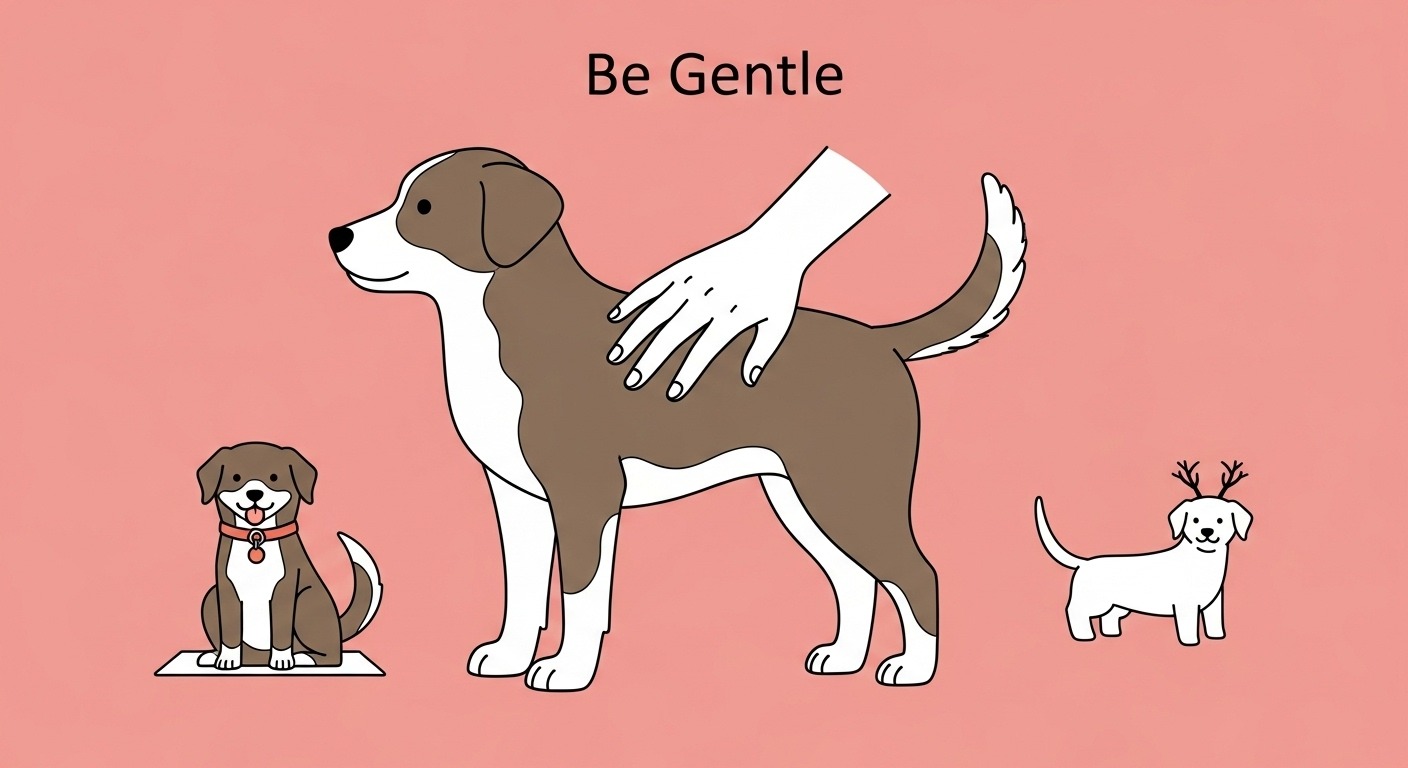
- Pet the chest or shoulder, not the face or head
- Avoid direct staring or sudden movements
- Do not interrupt dogs while eating or resting
Case reviews from emergency departments show that many adult bite injuries occur to the hands and face during close contact. Keeping interactions brief and neutral lowers the chance of escalation.
Staying safe from dog bites often means knowing when not to engage.
How can parents help children stay safe from dog bites?
Parents can reduce bite risk by teaching children clear rules for interacting with dogs and supervising all contact.
Children are the most vulnerable group. Their size, unpredictable movements, and high-pitched voices can trigger defensive responses in dogs.
Proven prevention strategies include:
- Never leaving young children alone with dogs
- Teaching children not to hug dogs or touch faces
- Explaining that dogs need space when eating or sleeping
- Using simple rules like “ask, wait, then touch”
Public health case studies consistently show that supervision reduces severe bite injuries by more than half. Even family dogs with no history of aggression can bite under stress.
Education works. Children who learn respectful interaction early carry safer habits into adulthood.
What should you do if an unfamiliar dog approaches you?
If an unfamiliar dog approaches, remain calm, avoid eye contact, and slowly create distance.
Panic and sudden movement increase risk. Dogs often interpret running or shouting as a threat or prey response.
Follow these steps:
- Stand still with arms at your sides
- Avoid direct eye contact
- Speak calmly if needed, without yelling
- Slowly back away once the dog loses interest
Animal behavior research shows that calm posture reduces aggressive responses in dogs during unfamiliar encounters. This applies to street dogs, loose pets, and dogs behind fences.
Staying safe from dog bites in public spaces starts with controlling your own reactions.
How does responsible dog ownership prevent bite incidents?
Responsible dog ownership reduces bite risk through training, supervision, and proper socialization.
While this guide focuses on personal safety, prevention also depends on owners.
Effective ownership practices include:
- Early socialization with people and environments
- Positive reinforcement training
- Using leashes in public spaces
- Addressing fear or anxiety behaviors early
Data from animal control reports shows that trained and properly supervised dogs are significantly less likely to be involved in bite cases. Breed is far less predictive than environment and handling.
Understanding this helps reduce fear-based myths and encourages smarter prevention.
What should you do immediately after a dog bite occurs?
After a dog bite, clean the wound, seek medical care, and document the incident.
Even minor bites can lead to infection. Immediate steps matter.
- Wash the wound with soap and running water for several minutes
- Apply clean pressure to stop bleeding
- Seek medical evaluation, especially for deep wounds
- Record details of the dog and owner if possible
Medical case reviews show that delayed treatment increases infection risk. Rabies exposure, while rare in many regions, must always be assessed by professionals.
Prevention is ideal. Preparedness is essential.
How can community awareness reduce dog bite incidents?
Community education reduces dog bites by promoting shared responsibility and realistic expectations.
Successful prevention programs focus on:
- Public education on dog behavior
- School-based safety programs
- Clear leash and vaccination policies
Long-term data from community campaigns shows measurable reductions in bite-related emergency visits. Awareness changes behavior. Behavior changes outcomes.
Conclusion: Why prevention is the smartest protection
Dog bites are not random events. They follow patterns rooted in behavior, misunderstanding, and avoidable mistakes. Once you understand those patterns, prevention becomes practical and realistic.
Learning how to stay safe from dog bites is not about fear. It is about awareness. Simple habits—reading warning signs, respecting boundaries, teaching children, and staying calm—reduce risk more than any reactive measure ever could.
Every avoided bite protects health, confidence, and peace of mind. These dog bite prevention tips work because they address the problem before it escalates.
Take action now. Share this guide with family members. Teach children one rule today. Adjust how you approach dogs in daily life. Prevention starts with the next interaction.
Frequently Asked Questions About Dog Bite Safety
Can a friendly dog still bite?
Yes. Even friendly dogs can bite when stressed, injured, or overwhelmed. Most bite reports involve dogs known to the victim.
Are certain dog breeds more dangerous?
No single breed predicts biting behavior. Environment, training, and supervision matter far more than breed.
Should you run away from an aggressive dog?
No. Running can trigger pursuit. Staying calm and still is safer.
Do dog bites always show warning signs?
Most do. Warning signs are often subtle and misunderstood, but they are usually present.
How can schools help prevent dog bites?
Education programs teach children safe interaction rules. These programs reduce injury rates significantly.
Is professional training effective in bite prevention?
Yes. Training improves communication and reduces fear-based reactions.
Related Topics: What Can I Use in Place of Laundry Detergent? A Complete Guide
Related Topics: How to successfully house share





+ There are no comments
Add yours