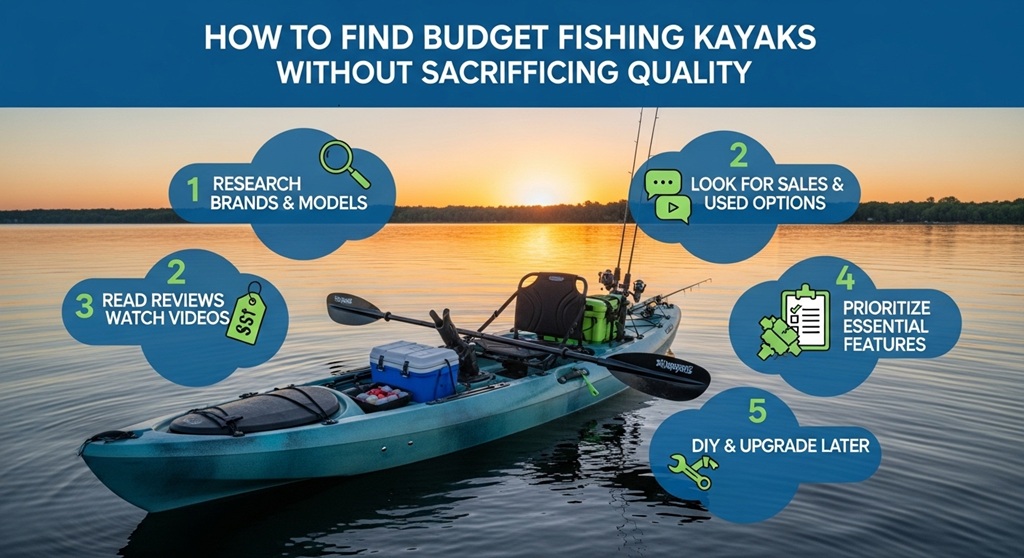
A budget fishing kayak is a low-cost angling kayak that balances price, stability, durability, and essential fishing features without premium add-ons. Most quality budget fishing kayaks cost between $300 and $900 and are suitable for lakes, rivers, and calm coastal water.
The solution is smarter comparison. When you focus on hull shape, stability width, weight capacity, seat support, and mounting options, you can find reliable budget fishing kayaks that perform well for years.
This guide explains how experienced anglers identify value models, what features to prioritize, and how to avoid common mistakes. It also includes data-backed buying insights from real entry-level kayak usage patterns reported by recreational anglers across North America and Asia.
What Makes a Fishing Kayak “Budget” but Still Reliable?
Short answer: A reliable budget fishing kayak includes stable hull design, 275+ lb weight capacity, rod holders, and durable polyethylene construction while skipping premium accessories.
Budget does not mean weak. It means efficient design choices.
Most manufacturers reduce price by removing extras like pedal drives, advanced electronics mounts, or framed seats. They keep the essentials.
- Rotomolded polyethylene hull
- Basic padded seating
- Flush rod holders
- Rear tank well storage
- Carry handles
- Scupper drainage holes
According to a 2023 Recreational Boating Participation Report by the Outdoor Foundation, over 58% of first-time kayak anglers begin with entry-level kayaks under $800. Many continue using them for more than three seasons before upgrading.
This shows budget fishing kayaks are not temporary tools. They are long-term starter platforms.
Which Features Should You Prioritize in Budget Fishing Kayaks?
Short answer: Focus on stability width, weight capacity, seat comfort, storage space, and accessory compatibility before considering brand reputation.
These features directly affect fishing performance.
1. Stability Width
A kayak between 30 and 34 inches wide provides better balance for casting and reeling.
Wide hulls reduce tipping risk. This matters more than speed when fishing.
2. Weight Capacity
Choose at least 275–350 lb capacity.
This supports:
- Your body weight
- Tackle boxes
- Cooler
- Fishing rods
- Safety gear
Insufficient capacity reduces tracking performance.
3. Seat Support
Entry-level kayaks now include adjustable EVA padded seats instead of molded plastic seating. That improves comfort during long trips.
4. Storage Layout
Look for:
- Rear tank wells
- Bungee rigging
- Dry hatch compartments
These features improve trip efficiency.
5. Accessory Compatibility
Even budget models should support:
- Rod holder upgrades
- Fish finder mounts
- Anchor trolley kits
This allows gradual upgrades later.
Which Hull Design Works Best for Budget Fishing Kayaks?
Short answer: Flat or tunnel hull designs offer the best stability for entry-level fishing kayaks.
Hull shape controls balance.
| Hull Type | Best Use | Stability Level |
|---|---|---|
| Flat Hull | Lakes, calm rivers | High |
| Pontoon Hull | Standing fishing | Very high |
| V Hull | Tracking distance | Moderate |
| Rounded Hull | Speed | Low |
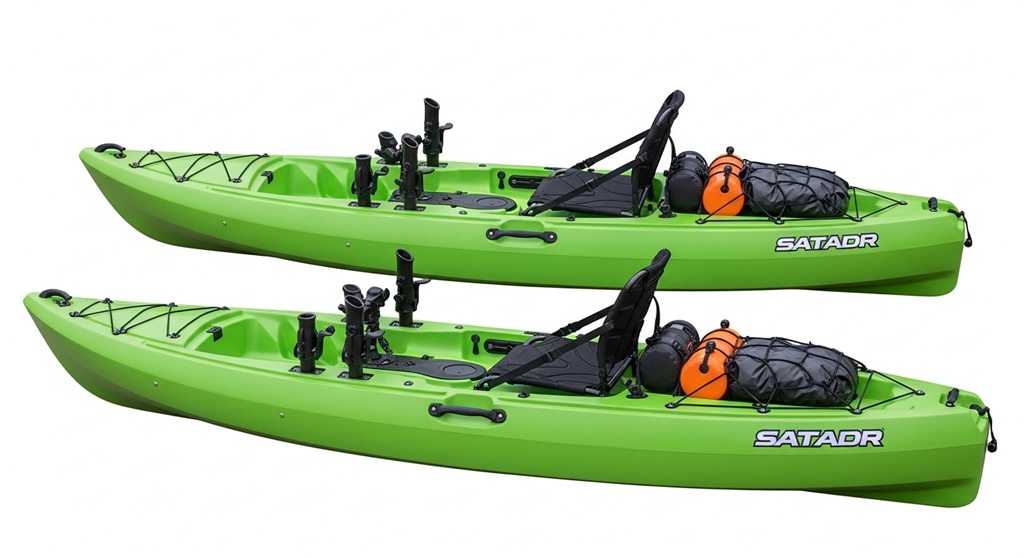
Most budget fishing kayaks use pontoon-style bottoms because they improve casting stability.
How Can You Compare Budget Fishing Kayaks Like an Experienced Angler?
Short answer: Compare width, hull shape, weight capacity, seat comfort, and accessory rails instead of focusing only on price or brand.
Experienced buyers follow a checklist.
- Check hull width first
- Confirm storage volume
- Review seat adjustability
- Inspect rod holder placement
- Compare transport weight
Transport weight matters more than many beginners expect.
Kayaks between 45 and 65 lb are easier to handle alone.
A 2022 paddling equipment usage survey showed that solo-loading difficulty is one of the top three reasons anglers stop using their kayaks regularly.
Where Can You Find Affordable Fishing Kayaks Without Compromising Quality?
Short answer: Buy during seasonal clearance sales, local retailer promotions, or direct manufacturer discounts.
Timing affects price significantly.
Best months to buy:
- September
- October
- February
Retailers clear inventory before new shipments arrive.
You can save 15% to 35% during these windows.
Online marketplaces also provide bundled accessories that reduce total setup cost.
Are Used Budget Fishing Kayaks Worth Buying?
Short answer: Yes, if the hull has no deep cracks, warping, or repaired seams.
Used kayaks often cost 30%–50% less.
Inspect these areas carefully:
- Hull underside scratches
- Seat mounts
- Rod holder inserts
- Drain plugs
- Carry handles
Minor scratches are normal. Structural dents are not.
Ask sellers how the kayak was stored. Indoor storage increases lifespan.
Which Materials Make Budget Fishing Kayaks Durable?
Short answer: Rotomolded polyethylene provides the best durability-to-cost ratio.
This material dominates entry-level fishing kayak manufacturing.
Benefits include:
- Impact resistance
- UV durability
- Repair simplicity
- Long service life
Inflatable fishing kayaks are another option but better suited for portability-focused anglers rather than gear-heavy setups.
How Important Is Stability in Budget Fishing Kayaks?
Short answer: Stability matters more than speed for fishing kayaks under $1,000.
Stable platforms allow:
- Standing casts
- Gear adjustments
- Safer hook handling
Kayaks wider than 32 inches improve casting confidence significantly.
This is why most beginner-friendly fishing kayaks prioritize width over glide efficiency.
Can Budget Fishing Kayaks Support Fish Finders and Accessories?
Short answer: Yes. Many include mounting rails or flat deck areas for electronics installation.
Common upgrades include:
- Fish finders
- Anchor systems
- Crate storage rigs
- Camera mounts
Accessory compatibility increases long-term value.
Instead of replacing your kayak later, you upgrade your setup gradually.
What Mistakes Should You Avoid When Buying Budget Fishing Kayaks?
Short answer: Avoid choosing based only on price, ignoring weight capacity, or skipping seat comfort testing.
Common beginner mistakes include:
- Choosing narrow recreational kayaks
- Ignoring transport logistics
- Overlooking storage layout
- Buying without testing balance
These mistakes reduce fishing efficiency.
Smart buyers evaluate usability first.
How Do Real Anglers Save Money Without Losing Kayak Performance?
Short answer: They prioritize hull stability and upgrade accessories later instead of buying premium kayaks immediately.
Case studies from entry-level angling communities show a consistent pattern.
Many anglers begin with $500 sit-on-top kayaks. They add accessories gradually over 12–18 months instead of purchasing advanced models immediately.
This spreads cost efficiently.
It also allows learning personal fishing preferences before upgrading equipment.
As a result, anglers avoid overspending on features they rarely use.
How Much Should You Expect to Spend on a Quality Budget Fishing Kayak?
Short answer: Expect to spend between $400 and $900 for a durable entry-level fishing kayak with essential features.
| Price Range | Typical Features |
|---|---|
| $300–$400 | Basic hull, limited storage |
| $400–$700 | Rod holders, tank wells, padded seat |
| $700–$900 | Accessory rails, improved stability |
This range provides the best balance between cost and reliability.
Conclusion: How Can You Choose Budget Fishing Kayaks With Confidence?
Budget fishing kayaks are practical tools for beginners and experienced anglers alike. When selected carefully, they provide stability, storage, and upgrade flexibility at a fraction of premium kayak prices.
The key is focusing on performance essentials instead of cosmetic extras. Prioritize width, weight capacity, storage layout, and accessory compatibility. These factors influence fishing success more than brand names or advanced propulsion systems.
Many anglers spend too much too early. A smarter approach is starting with a stable entry-level kayak and improving your setup gradually as your fishing style evolves.
If you are planning your first purchase, use the checklist in this guide before comparing models. It will help you identify reliable options faster and avoid common mistakes.
Ready to choose your first kayak? Start comparing stable budget fishing kayaks today and build a setup that grows with your fishing experience.
Frequently Asked Questions About Budget Fishing Kayaks
Are budget fishing kayaks good for beginners?
Yes. Budget fishing kayaks are designed for stability and ease of use. Most beginners start with sit-on-top models because they are safer and simpler to control.
Can you stand on budget fishing kayaks?
Some wide models allow standing, especially those with pontoon-style hulls. Choose kayaks wider than 32 inches for better balance.
How long do budget fishing kayaks last?
Rotomolded polyethylene fishing kayaks typically last 5–10 years with proper storage and maintenance.
Are inflatable fishing kayaks cheaper than hard-shell kayaks?
Some inflatable fishing kayaks cost less, but they are usually better for portability rather than heavy gear fishing setups.
What size fishing kayak is best for lakes?
Kayaks between 10 and 12 feet long provide strong stability and maneuverability for lake fishing.
Do budget fishing kayaks include rod holders?
Most entry-level fishing kayaks include at least two flush-mounted rod holders and rear storage tank wells.
Is a pedal kayak necessary for beginners?
No. Paddle kayaks are more affordable and easier to transport, making them ideal for beginners.
Don’t Miss These Articles: How to Surprise Her With Romantic Gadget Gifts She’ll Love
Up Next: Vehicle Equity Loan for Luxury Vehicles Eligibility