
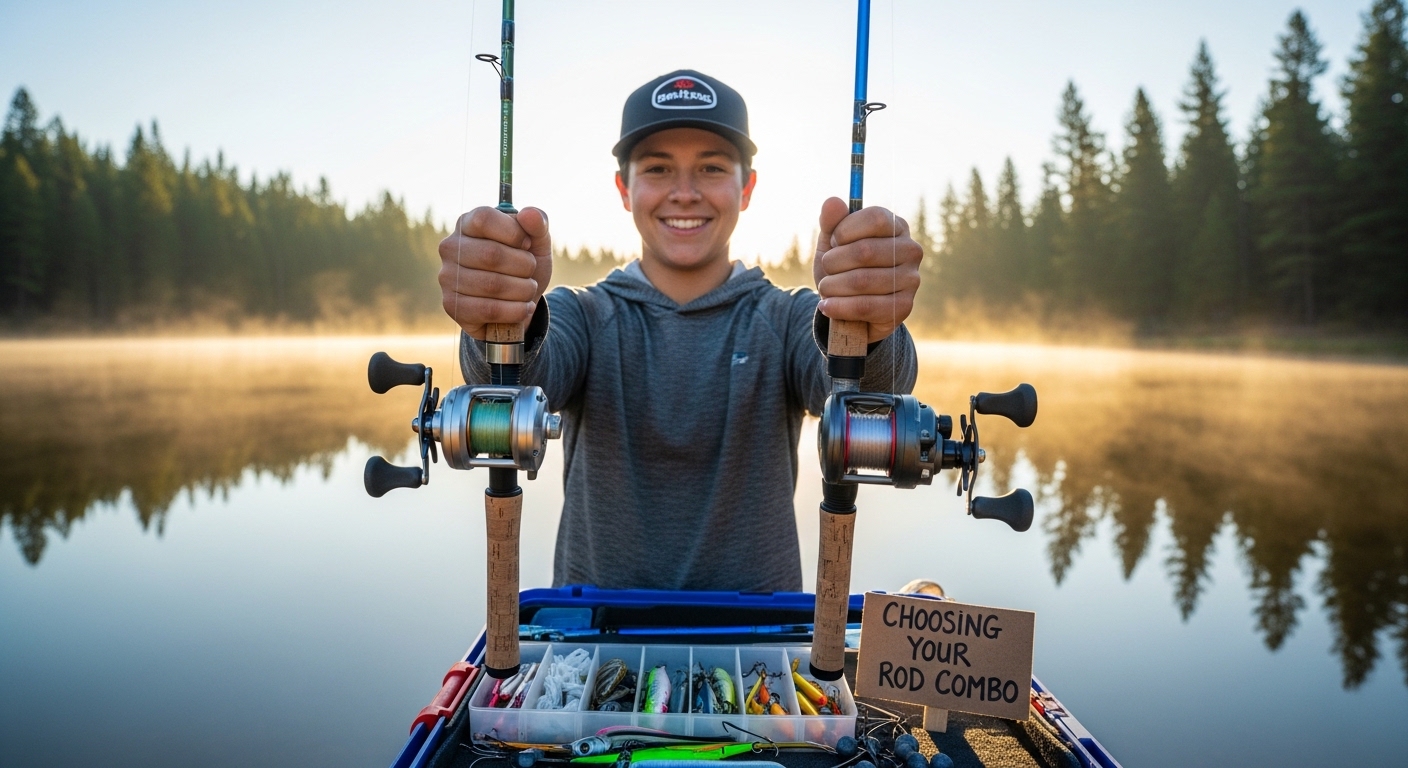
Finding the right freshwater fishing rod combo can make or break your angling adventures. With so many options, it’s easy to feel overwhelmed or unsure of where to start. By understanding your needs and the features of different combos, you’ll quickly narrow down the best match for your fishing style—and land more fish with confidence.
When searching for the ideal freshwater fishing rod combo, consider rod length, action, material, reel type, and your target species. The best combo is lightweight, responsive, and matches your fishing environment. Use this guide to cut through confusion, avoid common mistakes, and choose gear that maximizes your fishing success.
What is a freshwater fishing rod combo and why should you use one?
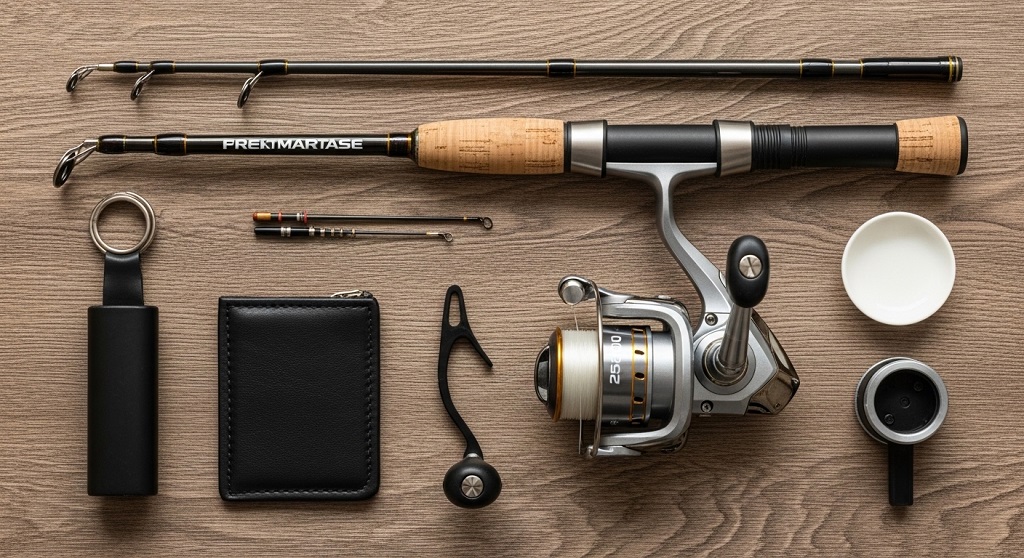
A freshwater fishing rod combo is a matched rod and reel sold together for convenience and compatibility. It ensures balanced performance, saves time, and often costs less than buying components separately, making it excellent for beginners and seasoned anglers alike.
Choosing a freshwater fishing rod combo removes the guesswork from matching a rod with a suitable reel. The manufacturer has balanced the combo for ideal performance. This synergy improves casting, accuracy, and fish-fighting. Combos are often budget-friendly and beginner-oriented but come in pro-level versions as well.
- Simplifies gear selection – No need to research separate parts or compatibility.
- Cost-effective – Buying a combo typically saves money over buying each part individually.
- Ready to fish – Many combos include pre-spooled reels, so you can fish right away.
How do you pick the right rod length and power for your fishing style?
Choose rod length and power based on your target fish, casting distance needed, and your preferred fishing techniques. Shorter rods are ideal for tight spots, while longer rods improve casting distance. Match rod power to fish size—ultralight for panfish, medium-heavy for bass or walleye.
Rod length affects how far and accurately you cast. For beginners, a 6’ to 7’ rod is versatile enough for most freshwater species. Rod power is the rod’s resistance to bending—ultralight suits small fish (crappie, trout), medium for bass and perch, and heavy power for larger species or heavy cover. Check combo descriptions for power ratings, and match them to your main target fish.
- Identify your main quarry. Panfish need light power; bass, pike, or catfish need medium-heavy or heavy.
- Choose length for environment. 6’-7’ all-around, >7’ for wide casting, <6’ for confined spaces.
- Match to technique. Casting jigs? Use shorter, accurate rods. Fishing crankbaits? Opt for the extra length.
What’s the difference between spinning and baitcasting combos?
Freshwater spinning combos are user-friendly, best for lightweight lures, and minimize line tangles. Baitcasting combos offer greater accuracy and power for heavy lures but require more skill to operate. Your skill level and intended techniques determine which to choose.
Spinning combos are popular for their versatility and ease of use. The open-faced design is simple and rarely tangles, which is ideal for beginners. They’re perfect for casting lighter lures and finesse presentations. Baitcasting combos, on the other hand, position the reel on top, allowing more line control, which is advantageous for heavier lures and stronger fish. However, baitcasters can backlash (tangle) if not operated properly, making them less suitable for novices. Advanced anglers might own both types for different tactics.
How important is material quality in a freshwater fishing rod combo?
Material quality greatly impacts a rod combo’s sensitivity, durability, weight, and longevity. Graphite rods offer lightweight sensitivity, while fiberglass rods excel in toughness. Many modern combos use a composite of both, offering the advantages of each for superior fishing performance.
Graphite rods let you “feel” gentle bites better, which is great for finesse techniques or light-biting fish. However, they can be brittle compared to fiberglass. Fiberglass rods are forgiving, very tough, and are perfect for beginners or those targeting larger fish. Composite rods blend the best traits of each, and their popularity is rising fast. When evaluating combos, check product tags for the main material and pick according to your sensitivity and durability needs.
- Graphite: Lightweight, sensitive, ideal for skilled anglers.
- Fiberglass: Rugged, flexible, perfect for beginners.
- Composite: Best of both worlds; most versatile and popular.
What features should I look for in a freshwater fishing rod combo?
Prioritize combos with comfortable grips, corrosion-resistant guides, quality reel seats, and smooth drags. Check that the reel matches the rod’s action and handle length fits your fishing style. Don’t forget warranty coverage and user reviews for peace of mind.
Modern combos are packed with user-friendly features. Check for EVA foam or cork handles for comfort and grip. Stainless-steel or ceramic guides withstand abrasion and improve casting. The reel seat must hold the reel securely under stress. A smooth drag system helps fight fish without line breakage. Some combos include pre-spooled line and even lures—added bonuses for beginners. Research reputable brands and explore warranties or satisfaction guarantees for extra assurance.
How do rod action and sensitivity affect freshwater fishing success?
Rod action influences how quickly the rod bends, affecting casting accuracy, hookset power, and lure presentation. Sensitivity lets you feel subtle strikes, helping catch more fish. Match action to your technique—fast action for precision, moderate for all-around use, slow for live bait fishing.
Fast-action rods bend mostly at the tip, allowing quick hooksets and superb sensitivity—great for targeting bass with jigs or worms. Moderate-action rods bend further down, offering a balance of casting distance and versatility, favored for crankbaits and spinnerbaits. Slow-action rods bend nearly to the handle, excellent for steady pressure on light-biting fish using live bait. Sensitivity comes from high-quality materials (like graphite), transmitting bottom contact and bites instantly to your hand. Always align action and sensitivity to the main lures and methods you plan to use.
What are the best freshwater fishing rod combos for different budgets?
Affordable combos start around $40 and offer dependable basics for beginners. Mid-range combos ($60-$120) have better materials, comfort, and technology. High-end combos ($150+) deliver top-tier performance, precision, and durability for serious anglers.
Inexpensive combos suit newcomers or occasional anglers with all-in-one convenience. Investing slightly more unlocks combos with reinforced guides, smoother reels, and higher build quality. Premium combos provide strength, casting accuracy, and refined touches that advanced anglers appreciate. Shop trusted brands with strong support, even if you spend less—you’ll get more value for your money.
| Budget | Features | Ideal For | Example Brands |
|---|---|---|---|
| Entry-Level ($40-$60) | Basic materials, simple design, pre-spooled | Beginners, casual anglers | Shakespeare, Ugly Stik GX2 |
| Mid-Range ($60-$120) | Composite or graphite, smoother reels, ergonomic handles | Regular anglers, skill development | Cadence, Pflueger President, Lew’s |
| High-End ($150+) | Precision engineering, premium guides, advanced reels | Serious anglers, tournament use | Abu Garcia, Shimano, St. Croix |
How can you avoid common mistakes when choosing a freshwater fishing rod combo?
Avoid mistakes by clearly defining your fishing needs, researching product specs, sticking to reputable brands, and reading real user reviews. Don’t buy based solely on price or appearance. Test comfort and feel in-store if possible before making your final decision.
Many anglers grab the cheapest combo or one that simply looks good. This often results in a poor fit for their primary fish, water type, or personal comfort. Not all combos are created equal. Focus on suitability for your target fish, fishing techniques, and experience level. Try gripping the combo in-store—if it feels heavy or unwieldy, keep searching. Checking online reviews and getting recommendations from experienced anglers is invaluable, especially for your first purchase.
What maintenance does a freshwater fishing rod combo require?
Rinse your combo after every trip, dry thoroughly, and store it away from direct sunlight. Periodically check reel lubrication and guides for damage. Good maintenance keeps your combo performing smoothly and extends its lifespan for years of reliable fishing.
Dirt, sand, and water can cause wear, corrosion, or sticky reel performance. After fishing, rinse rod and reel in fresh water—particularly important if fishing in brackish environments. Dry with a soft cloth, and check line guides for cracks or nicks, which can cut fishing line. Apply a drop of oil to reel bearings and moving parts. Make storage a priority—a rod rack or padded bag prevents accidental breakage. Regular maintenance ensures you’re ready to fish any time.
- Rinse and dry combo after every use
- Oil and clean reel components bi-weekly
- Inspect guides and handles for wear or cracks
- Use padded storage to avoid scratches or breakage
How do you match a fishing rod combo to your target species?
Identify the species you’ll fish most often, then select a combo with the right power, action, and line rating. For small fish, choose ultralight or light combos; for bass or walleye, aim for medium or medium-heavy combos. Tackle type, lure size, and water conditions matter too.
If you primarily chase panfish, select a light combo with fast action and 2-8lb line capacity. For largemouth bass or walleye, go medium or medium-heavy, 6’-7’6” length, and 8-17lb line. For pike or catfish, choose heavy power, extra drag, and higher line rating. Study local fish species and adjust as needed for versatility or specialty fishing.
FAQ: Frequently Asked Questions on Freshwater Fishing Rod Combos
Can I use a freshwater fishing rod combo in saltwater?
While you can use a freshwater rod combo in saltwater temporarily, it’s not recommended. Saltwater accelerates corrosion and may damage delicate components unless they’re specifically labeled as saltwater-capable. Rinse thoroughly if you must use it, and consider a dedicated saltwater combo for regular use.
What size rod and reel is best for beginners?
A 6’6” to 7’ medium power spinning combo is ideal for beginners. It’s versatile, forgiving, and handles a variety of species. Choose a reel in the 2000 to 3000 size range for balance, smooth operation, and manageable weight.
Are telescopic fishing rod combos any good?
Telescopic combos are portable and great for travel or occasional use. They compromise slightly on sensitivity and strength compared to one-piece rods, but are improving in quality—ideal for backpackers or those with limited storage.
How often should I replace my fishing line?
Check your line regularly for nicks and frays, and replace it every 4-6 months for monofilament or every year for braided line, depending on use frequency. Old or damaged line increases the risk of breakoffs, costing you fish.
What’s the best rod combo for bass fishing?
A 7’ medium-heavy fast action spinning or baitcasting combo is a top pick for bass. It provides casting distance, backbone to set hooks, and compatibility with various bass lures and techniques. Popular models include the Abu Garcia Black Max and Lew’s Carbon Fire.
What is rod “action”, and why does it matter?
Rod action describes how much and where the rod bends under pressure. Fast action rods bend at the tip, offering quick sensitivity; slow action rods bend deeper. Action affects casting, hooksets, and lure type efficiency—so match action to your target fish and preferred bait.
Can kids use full-size freshwater fishing rod combos?
Kids can use smaller, lighter combos designed for youth—typically 4’6” to 5’6” in length. Full-size combos may feel heavy and unwieldy for children. Start them with manageable gear to build confidence and ensure a positive fishing experience.
Conclusion: Make Your Freshwater Fishing Rod Combo Work for You
Selecting the right freshwater fishing rod combo is the key to enjoyable, successful fishing trips. By considering rod length, power, material, and reel quality, you eliminate confusion and catch more fish. Always factor in your local fish species and fishing conditions, and don’t overlook comfort or ease of use.
Ready to level up your fishing game? Start with a well-matched combo and maintain it with care. Remember, fishing is all about fun, learning, and the thrill of the catch. Browse combos today and make your next fishing outing your most productive yet!
Read More Also: What Are the Advantages of E-Learning?
Learn More: Budgeting Tips to Help you with University Life


+ There are no comments
Add yours