

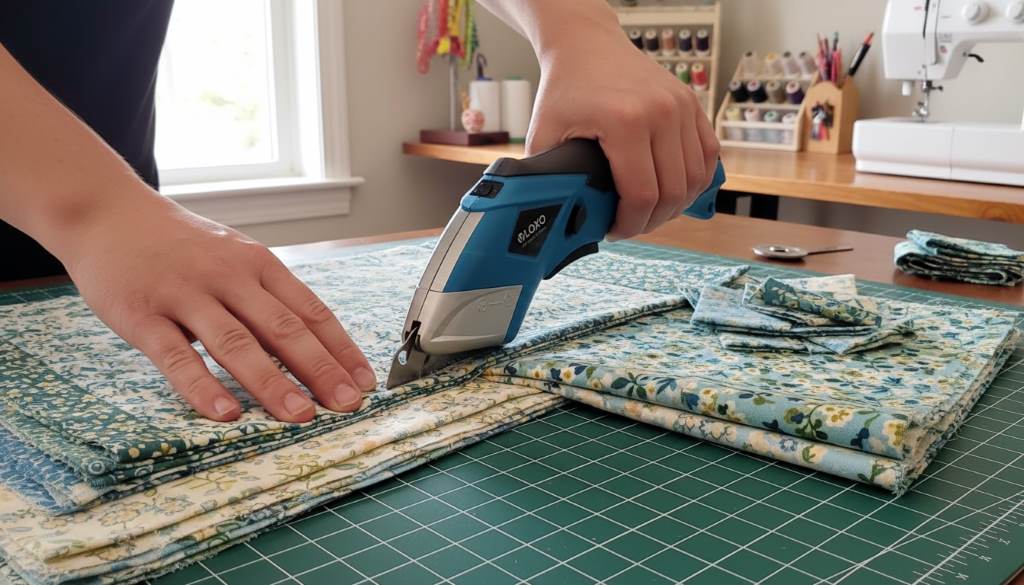
Imagine transforming your crafting sessions from tedious marathons into efficient adventures. Crafters everywhere seek ways to streamline their work while keeping creativity alive. Rechargeable electric scissors offer a modern solution that cuts through materials with ease and speed. Discover how rechargeable electric scissors can transform your crafting experience by saving time and reducing effort. According to a report by Future Market Insights, the electric cloth cutting scissors market projects growth from USD 362.8 million in 2025 to USD 502 million by 2035, driven by rising DIY activities and productivity demands. Additionally, Coherent Market Insights highlights that cordless models hold a 66.1 percent market share, emphasizing their role in boosting efficiency for hobbyists and professionals alike. These tools empower users to focus more on design and less on manual labor. As a result, projects finish faster, sparking joy in every creation.
What Makes Rechargeable Electric Scissors a Game-Changer?
Crafters often struggle with traditional tools that slow down progress. However, battery-powered scissors introduce innovation that changes the game entirely. They combine power with portability, allowing seamless movement around your workspace. Moreover, these devices adapt to various needs, making them essential for modern artisans.
For instance, picture a quilter racing against a deadline. Traditional shears might cause hand cramps after hours of cutting. In contrast, electric versions handle the workload effortlessly. Consequently, users complete tasks quicker and with better results.
The Basics of These Innovative Tools
Rechargeable electric scissors operate on battery power, eliminating cords that tangle and restrict. Users charge them via USB or dedicated ports, ensuring readiness for any session. Furthermore, their blades move automatically, slicing through fabrics and papers without constant squeezing.
Many models feature lightweight designs that fit comfortably in hand. Crafters appreciate this simplicity, especially during intricate projects. Additionally, safety locks prevent accidental starts, adding peace of mind. Thus, beginners find them approachable while experts value the reliability.
Essential Features to Look For
Key features define top-tier cordless electric shears. First, consider blade types suited for specific materials like fabric or cardboard. Versatile options allow switching between tasks smoothly. Second, ergonomic handles reduce strain, promoting longer use without discomfort.
Moreover, LED lights illuminate cutting paths in dim spaces. This detail enhances accuracy in detailed work. Finally, multiple speed settings adjust to material thickness, optimizing performance. As a result, these elements combine to elevate your crafting efficiency.
Enhancing Speed and Efficiency in Cutting Tasks
Speed transforms crafting from a chore into a delight. Rechargeable electric scissors accelerate the process significantly. They cut through layers faster than manual alternatives, saving precious minutes. Therefore, large projects become manageable in shorter timeframes.
For example, a scrapbooker preparing dozens of shapes benefits immensely. Manual cutting might take hours, but electric tools halve that duration. Consequently, more time opens up for assembly and decoration.
Related:
The Right Tools for a Landscaping Venture
Concrete – Tips and Secrets for High Quality Results
Cutting Through Materials Faster
Battery-powered cutters excel at rapid slicing. Their motors drive blades at high speeds, tackling tough fabrics effortlessly. In addition, they handle multiple layers simultaneously, streamlining bulk preparations. Crafters notice immediate improvements in workflow pace.
Furthermore, this speed minimizes errors from fatigue. Users maintain focus longer, producing consistent results. Thus, overall project timelines shorten, boosting satisfaction.
Precision Cuts Every Time
Precision matters in crafts where details define quality. Electric scissors deliver straight, clean edges without jagged lines. Their guided mechanisms ensure accuracy, even on curves. As such, intricate designs emerge flawlessly.
Moreover, adjustable blades cater to fine work like appliqué. Crafters achieve professional looks without extensive practice. Additionally, vibration reduction keeps hands steady, enhancing control.
Reducing Physical Strain and Fatigue
Physical comfort plays a crucial role in sustained productivity. Traditional scissors demand repetitive motions that tire hands quickly. However, rechargeable models automate the cutting action, easing the burden. Users experience less wrist pain, allowing extended sessions.
For instance, someone with arthritis finds relief in these tools. The minimal effort required keeps passion alive without discomfort. Consequently, crafting remains enjoyable rather than exhausting.
Ergonomic Design Benefits
Ergonomic designs prioritize user health. Handles contour to natural grips, distributing pressure evenly. Lightweight builds prevent arm fatigue during use. Furthermore, balanced weight ensures stability, reducing slips.
In addition, soft-touch materials add comfort for prolonged handling. Crafters report fewer aches after switching. Thus, these features support long-term well-being in creative pursuits.
Ideal for Long Crafting Sessions
Long sessions test endurance, but electric shears shine here. Their efficient operation conserves energy, letting users push boundaries. Moreover, quick recharges mean minimal downtime. As a result, marathon projects flow without interruptions.
Additionally, quiet motors create a peaceful environment. Crafters immerse themselves fully, enhancing focus. Therefore, productivity soars in comfortable, extended workflows.
Versatility Across Different Crafts
Versatility expands creative possibilities. Rechargeable electric scissors adapt to numerous materials, broadening applications. They cut fabric, paper, leather, and more with ease. Consequently, one tool serves multiple hobbies.
For example, a mixed-media artist switches seamlessly between mediums. This flexibility saves space and simplifies setups. Moreover, it encourages experimentation, sparking new ideas.
Fabric and Sewing Projects
Fabric crafts demand clean cuts for seamless assembly. Cordless electric cutters excel here, slicing through cottons and silks precisely. They handle patterns accurately, reducing waste. As such, sewers complete garments faster.
Furthermore, layering capabilities speed up quilting. Users stack fabrics and cut multiples at once. Thus, preparation time drops, leaving more for stitching.
Paper Crafts and Scrapbooking
Paper projects thrive on intricate shapes. Electric shears navigate delicate papers without tearing. Their precision aids in creating cards and decorations. Additionally, speed allows batch production for events.
Moreover, compatibility with cardstock expands options. Crafters produce volumes quickly, enhancing output. Therefore, scrapbooking becomes more prolific and fun.
Other Materials Like Leather and Cardboard
Beyond basics, these tools tackle tougher materials. Leather cuts smoothly for accessories and upholstery. Cardboard yields to blades for packaging or models. As a result, versatility covers home decor to prototypes.
In addition, vinyl and felt respond well, supporting diverse crafts. Users explore without tool swaps. Consequently, creativity flourishes across mediums.
Integrating Them into Your Workflow
Integration requires thoughtful approaches. Start by assessing current routines for improvement spots. Rechargeable scissors fit naturally into cutting phases. Moreover, pair them with organizers for easy access.
For beginners, practice on scraps builds confidence. Experts experiment with speeds for optimization. Thus, seamless adoption maximizes benefits.
Tips for Beginners
Beginners benefit from simple strategies. Charge fully before starting to avoid pauses. Select appropriate blades for materials. Furthermore, hold steadily for best control.
Additionally, watch tutorials for techniques. Practice curves and straights gradually. As skills grow, productivity follows suit.
Advanced Techniques
Advanced users push limits with creative methods. Layer materials for efficiency gains. Adjust speeds for precision in details. Moreover, combine with rulers for straight lines.
In addition, incorporate into assembly lines for group projects. These tactics elevate output significantly.
Comparing to Traditional Scissors
Comparisons highlight advantages clearly. Traditional shears rely on manual force, leading to fatigue. Electric versions automate, conserving energy. However, they require charging, unlike always-ready manuals.
For speed, electrics outperform in bulk tasks. Precision matches or exceeds with guided blades. Thus, electrics suit high-volume work best.
Pros and Cons
Pros include reduced strain and faster cuts. Versatility adds value across crafts. Moreover, portability enhances mobility.
Cons involve initial learning curves. Dependency on power sources arises occasionally. Yet, benefits outweigh drawbacks for most users.
Maintenance and Care for Longevity
Proper care extends tool life. Clean blades after use to remove debris. Store in dry places to prevent damage. Furthermore, inspect regularly for wear.
Additionally, follow charging guidelines for battery health. Replace blades as needed for sharp performance. Thus, consistent maintenance ensures reliability.
Cleaning and Storage
Cleaning involves wiping blades with soft cloths. Avoid water immersion to protect electronics. Store upright in cases for protection.
Moreover, organize accessories together. This setup streamlines future sessions.
Real-World Examples and Case Studies
Real examples illustrate impacts vividly. A home-based quilter doubled output after adopting cordless shears. She layered fabrics effortlessly, finishing quilts in half the time. Consequently, her business grew through increased inventory.
Another case involves a scrapbooking group. They used electric cutters for event preparations, producing hundreds of pieces quickly. As a result, events ran smoother with ample supplies.
Furthermore, a leather artisan reported less hand pain. Precision cuts improved product quality, attracting more clients. Thus, these stories showcase tangible boosts.
In textile sectors, studies show efficiency gains. Coherent Market Insights notes cordless tools replace manuals in production lines, enhancing productivity. Similarly, Antive Tools highlights time savings and cleaner cuts in crafting.
Market trends support this. Future Market Insights predicts growth from DIY trends, underscoring productivity roles. Additionally, ergonomic benefits reduce fatigue, as per Hi-Spec Tools.
Crafters with mobility challenges find empowerment. Electric shears enable participation without strain. For instance, arthritis sufferers cut comfortably, as noted in Melly Sews reviews.
Professional settings echo these gains. Upholstery workers speed up tasks, per Made-in-China insights. Precision minimizes material waste, boosting sustainability.
Educational contexts benefit too. Schools use them for art classes, fostering creativity efficiently. Students complete projects faster, learning more in sessions.
Small businesses leverage them for scaling. A custom card maker increased orders by streamlining production. Quick cuts allowed handling larger volumes without extra staff.
Innovation continues driving adoption. Recent research on battery tech, like Johns Hopkins’ fiber batteries, promises even better portability. This evolution ensures ongoing improvements.
Case studies from diverse fields converge on key points. Speed, comfort, and versatility define success. Users consistently report higher output and satisfaction.
Environmental Considerations in Tool Choice
Sustainability influences choices today. Rechargeable models reduce waste from disposables. Their long-lasting batteries minimize replacements. Moreover, efficient cutting lowers material scraps.
Crafters appreciate eco-friendly aspects. Selecting durable tools supports green practices. As a result, creativity aligns with responsibility.
Combining with Other Tools for Maximum Efficiency
Pairing enhances results. Use alongside rotary mats for stability. Rulers guide straight lines effectively. Furthermore, integrate with digital cutters for complex designs.
Additionally, storage systems keep everything organized. This synergy streamlines entire processes.
Overcoming Common Challenges
Challenges arise, but solutions exist. Blade dulling happens; sharpen or replace promptly. Power issues? Charge regularly. Moreover, practice counters initial awkwardness.
In addition, select models with strong motors for tough materials. These steps ensure smooth experiences.
Future Trends in Electric Cutting Tools
Trends point to smarter features. IoT integration tracks usage for maintenance. AI could suggest settings. Furthermore, lighter batteries extend sessions.
Additionally, sustainable materials emerge in builds. Crafters anticipate these advancements eagerly.
Building a Crafting Kit Around These Tools
A solid kit centers on essentials. Include fabrics, patterns, and adhesives. Electric scissors anchor the setup. Moreover, add measuring tools for accuracy.
Furthermore, expand with specialty blades. This foundation supports endless projects.
Community Insights and User Experiences
Communities share valuable tips. Forums discuss best models for specific crafts. Users highlight favorites for fabric work. As such, collective wisdom guides choices.
Moreover, reviews emphasize reliability. Crafters bond over shared successes.
Measuring Productivity Gains
Track improvements personally. Time projects before and after adoption. Note reduced fatigue levels. Furthermore, count completed items weekly.
Additionally, survey satisfaction. Quantifiable gains motivate continued use.
Adapting for Professional Use
Professionals adapt for scale. Batch cutting maximizes efficiency. Integrate into assembly lines. Moreover, train teams for consistency.
As a result, businesses thrive with enhanced output.
Educational Applications in Crafts
Education incorporates these tools. Classes teach safe usage. Students explore creativity freely. Furthermore, projects finish quicker, allowing deeper learning.
Additionally, inclusivity grows for varied abilities.
Seasonal Crafting Boosts
Seasons inspire themed projects. Electric shears speed holiday decorations. Cut shapes rapidly for festivities. Moreover, handle bulk for gifts.
Thus, celebrations become less stressful.
Customizing Your Approach
Personalize based on style. Adjust settings for preferred speeds. Experiment with materials. Furthermore, document successes for refinement.
As preferences evolve, tools adapt accordingly.
Conclusion
Rechargeable electric scissors revolutionize crafting by enhancing speed, reducing strain, and offering versatility. They cut through materials efficiently, allowing more focus on creativity. Ergonomic designs support long sessions, while precision ensures quality results. Real examples show doubled outputs and happier users. Market growth underscores their value in boosting productivity. Embrace these tools to elevate your crafts. Start incorporating rechargeable electric scissors into your routine today and watch your projects soar.
FAQs
What Are the Main Benefits of Using Rechargeable Electric Scissors in Crafts?
These tools speed up cutting tasks significantly. They reduce hand fatigue through automated blades. Additionally, they provide precise cuts across various materials. Versatility makes them ideal for fabric, paper, and more. Overall, they enhance efficiency and enjoyment in crafting.
How Do Rechargeable Electric Scissors Compare to Traditional Ones?
Electric models automate the cutting process, saving effort. They handle layers faster than manuals. However, they need charging, unlike always-available shears. Precision often surpasses traditional tools in detailed work. Choose based on project volume and comfort needs.
Can Beginners Use Rechargeable Electric Scissors Easily?
Yes, their simple designs suit newcomers. Start with basic materials to build skills. Safety features prevent mishaps. Practice on scraps boosts confidence quickly. Soon, beginners achieve professional results effortlessly.
What Materials Work Best with Rechargeable Electric Scissors?
Fabrics like cotton and silk cut smoothly. Paper and cardstock yield precise shapes. Leather and vinyl respond well too. Avoid very thick metals to maintain performance. Experiment to discover full potential.
How Do These Scissors Impact Long-Term Crafting Health?
They minimize repetitive strain on hands and wrists. Ergonomic grips promote comfort. Reduced fatigue allows extended sessions without pain. Users with conditions like arthritis benefit greatly. Prioritize health for sustained creative pursuits.
References


+ There are no comments
Add yours