
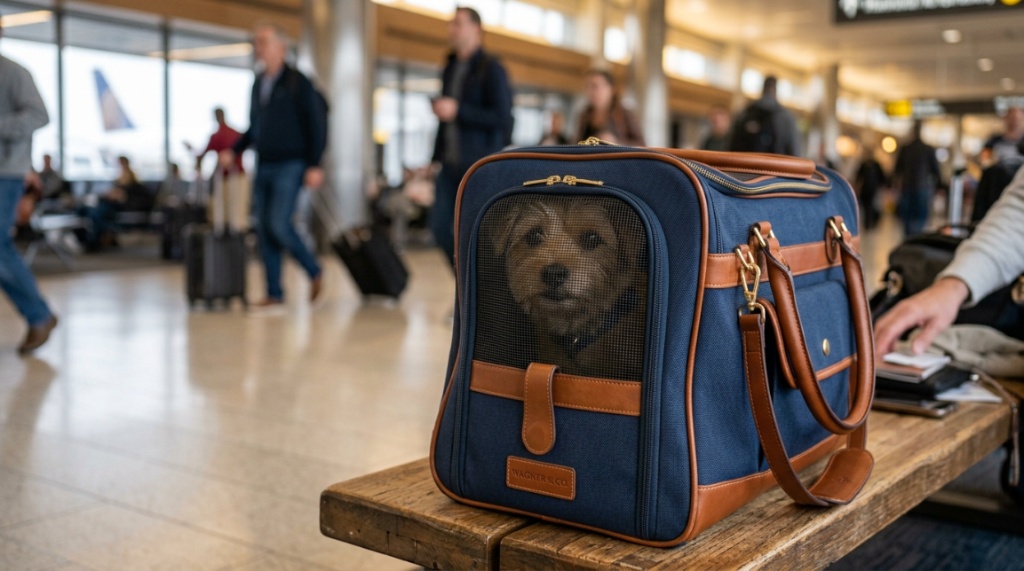
Imagine this: you’ve booked the perfect weekend getaway to Leavenworth or a flight out of Sea-Tac to a sunnier climate. The itinerary is flawless. But then, panic sets in. Your furry family member needs to come along, and the thought of cramming them into a flimsy, barely-adequate travel bag feels wrong. You want the best for them—comfort, safety, and style—but the market is flooded with options. How do you choose a carrier that actually meets airline regulations, fits your pet’s needs, and looks great doing it? Selecting the right luxury pet carrier in Washington State isn’t just about aesthetics; it’s about merging premium comfort with uncompromising safety standards for the diverse travel scenarios unique to the Pacific Northwest.
Whether you are navigating the busy terminals of Seattle-Tacoma International Airport, taking a scenic ferry to Bainbridge Island, or road-tripping along the Columbia River Gorge, your pet’s travel experience matters. A premium carrier is more than a bag; it’s a mobile sanctuary. This guide has been updated for 2026 to reflect the latest airline policies, material innovations, and safety standards. We will break down exactly what defines a luxury carrier, how to match it to your pet’s size, and the crucial industry regulations you must consider before takeoff.
What Defines a Luxury Pet Carrier in Today’s Market?
Luxury in the pet travel industry has evolved significantly. Gone are the days when “expensive” simply meant adding a leather handle to a standard crate. In 2026, a true luxury pet carrier is defined by three core pillars: aerospace-grade safety, ergonomic comfort for long durations, and high-end materials that are both durable and aesthetically pleasing. It is an investment in your pet’s well-being, engineered to reduce anxiety and stress during transit.
When we talk about a luxury carrier, we are looking at the convergence of fashion and function. These carriers often use materials like ballistic nylon, full-grain leather, and breathable mesh that doesn’t scratch your pet. They feature structural support to prevent the carrier from collapsing onto your pet, unique ventilation systems, and memory foam bases for joint comfort. This is not just a containment device; it is a travel accessory designed to protect your companion in the event of turbulence or sudden stops.
Beyond Aesthetics: The Engineering of Comfort
Comfort is the primary differentiator between a standard carrier and a luxury one. Top-tier brands invest in research to understand pet biomechanics. This includes orthopedic base pads that support hips and elbows, and “cave” modes that provide a sense of security for anxious animals. When flying, a stressed pet can suffer from elevated heart rates; a well-designed luxury carrier minimizes these triggers by providing stable, quiet, and soft-sided environments that mimic a den-like atmosphere.
Material Innovations for the Pacific Northwest Climate
Washington State presents unique weather challenges—from rainy coastal air to cold mountain drafts. Premium carriers now utilize weather-resistant fabrics that repel moisture without compromising breathability. Materials like high-density Cordura nylon are treated with eco-friendly water repellents, ensuring that a sudden downpour at Pike Place Market doesn’t soak your pet’s bedding. These fabrics are also incredibly easy to clean, resisting odors and bacteria that can build up over time.
The Craftsmanship of High-End Hardware
Zippers and buckles are the most common failure points in travel gear. Luxury carriers use lockable, self-healing zippers that won’t snag on fabric, and aircraft-grade aluminum buckles that won’t break under stress. The stitching is reinforced with high-tensile thread, often with double or triple stitching at stress points. This ensures that your carrier won’t become a projectile hazard during heavy braking or an airline baggage handling mishap.
Why Does the Right Carrier Matter More in Washington State?
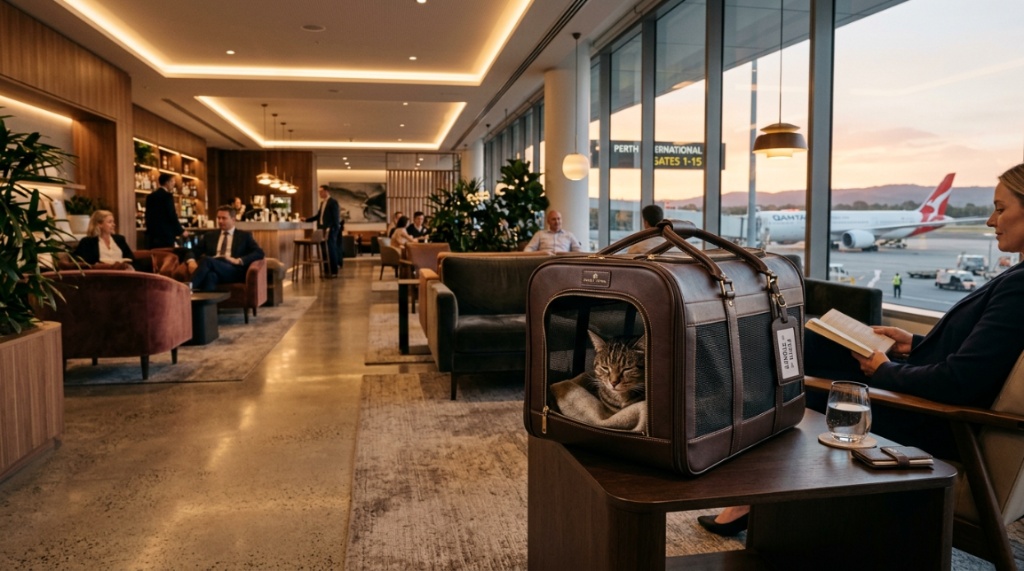
Washington State offers a unique mix of urban and wilderness travel opportunities, making the right carrier essential for versatility. You might be hopping on a light rail with your pet, boarding a seaplane, or driving through mountain passes. The ideal carrier must adapt to these environments, offering safety in a vehicle, compliance on public transport, and comfort for the hotel room.
Furthermore, local animal welfare laws emphasize the safety of animals in transit. A carrier that provides secure restraint options (like internal tethers) is not just a luxury—it is a responsibility. In Washington, driving with an unsecured pet is not only dangerous but can result in fines. A luxury carrier with a built-in seatbelt loop allows you to secure your pet safely in the backseat, protecting them from injury in the event of an accident and complying with state safety recommendations.
Adapting to Air Travel Regulations at Sea-Tac
Sea-Tac Airport is a major hub, and airlines operating there have specific rules for in-cabin pets. These rules are getting stricter regarding dimensions and ventilation. In 2026, most major airlines require the pet to fit comfortably in the carrier under the seat in front of you. A luxury carrier is often designed to maximize the “under-seat” footprint, utilizing flexible sidewalls that allow slight compression (without suffocating) to fit into the sizer box—something rigid crates cannot do.
Versatility for Road Trips and Ferries
Whether you are driving over Snoqualmie Pass or taking the ferry to the San Juan Islands, your pet needs a secure space. Luxury carriers often feature top-loading and front-loading options, allowing you to easily place your pet inside without causing them distress. They also have durable bottom panels that can withstand muddy paws after a hike, keeping your car seats clean and your pet contained during the journey.
How Do You Match Carrier Size to Your Pet for Airline Compliance?
Sizing is the most critical factor in carrier selection, and it is often mishandled. You cannot simply choose a carrier based on the pet’s weight alone. You must measure your pet’s length and height to ensure compliance with airline regulations. Most airlines require that the pet cannot touch the top of the carrier and must be able to turn around comfortably while standing.
To get this right, you need to measure your pet from their nose to the base of their tail (length) and from the floor to the top of their head or ears (height). Once you have these numbers, you can compare them against the interior dimensions of the carrier. If you are traveling on Alaska Airlines or Delta out of Washington, these measurements are non-negotiable. A luxury carrier will clearly label its interior dimensions, not just the exterior, which is a huge advantage when planning your trip.
Step-by-Step Guide to Measuring Your Pet
Here is a simple, stress-free method to get accurate measurements at home:
- When your pet is standing, use a soft measuring tape to measure from the tip of their nose to the base of their tail.
- Measure the height from the floor to the top of their shoulder blades or head, whichever is higher.
- Add one to two inches to these numbers to account for movement and a comfortable recovery position.
- Compare these corrected measurements to the carrier’s interior dimensions.
Understanding the “Under-Seat” Fit
Airlines have dimensional limits for under-seat storage. While the carrier must fit, it doesn’t have to be rigid. Soft-sided luxury carriers are your best bet here because they offer flexibility. If you are one inch over, the soft shell can often be compressed to fit into the sizer box. However, you must ensure this compression doesn’t compromise the living space for your pet in a painful way. Look for carriers with a durable frame that resists collapse inward, giving your pet a stable, safe space even if the exterior flexes.
Weight Limits and Structural Integrity
Even in soft-sided carriers, weight limits matter. Exceeding the weight limit can stress the seams and base, leading to catastrophic failure. For in-cabin travel, the total weight (pet + carrier) usually must be under a specific threshold (often 20 lbs). When selecting a luxury model, verify the maximum pet weight allowed. The carrier’s frame should be made of lightweight aluminum or high-strength composite materials that are easy to lift but strong enough to hold your pet securely.
Which Luxury Brands Are Leading the Industry in 2026?
Several manufacturers have established themselves as leaders in the luxury pet transport space. Brands like Prada, Louis Vuitton, and Goyard offer high-fashion options, but they often lag in practical safety features. However, performance-luxury brands such as Sherpa (with their Deluxe line), Sleepypod, and Diggs are setting the standard for safety and innovation. When looking for a true investment, you want a brand that meets crash-test standards, not just fashion runways.
In the current market, there is a growing demand for practicality fused with luxury aesthetics. Consumers in Washington are environmentally conscious and value sustainability. Brands that utilize recycled plastics for fabric and ethically sourced leather are gaining traction. You want a product that looks premium but also has the certifications to back up its safety claims, ensuring it works as hard as you do during your travels.
Certifications and Safety Standards to Look For
Center for Pet Safety (CPS) certification is the gold standard. If a carrier has been crash-tested and approved by CPS, it has passed rigorous testing that simulates a 30-mph automotive collision. This certification is rare in the fashion segment but prevalent in high-end performance brands. Prioritizing this certification ensures your pet is protected in a car accident, which is the highest risk scenario for travel in Washington. When searching for a luxury pet carrier Washington state, always check the label for these performance criteria, as they are critical for peace of mind.
High-Fashion vs. High-Performance: Pros and Cons
There is a distinct difference between a designer carrier and a performance carrier. High-fashion carriers often use delicate materials like lambskin and silk, which are not suitable for the rigors of airport travel or hiking trails. High-performance carriers use technical fabrics that are abrasion-resistant and easy to sanitize. The pros of designer carriers are the aesthetic appeal; the cons are the lack of safety certifications and difficult cleaning. The pros of performance carriers are safety and durability; the cons are often a ‘sportier’ look that may not appeal to those seeking a high-fashion statement. The best choice is a hybrid—a brand that uses luxury materials in a performance-tested chassis.
When Is the Best Time to Upgrade Your Pet’s Travel Gear?
If you are noticing signs of wear and tear on your current carrier, or if your pet has outgrown their existing space, it is time to upgrade. Zippers that stick, flimsy handles that cut into your hands, and interiors that no longer clean up are all indicators that your carrier has served its life and could fail. You should also upgrade when air travel becomes more frequent, as the physical toll of checking in and moving through terminals is immense. Don’t wait for a failure at the airport to discover your carrier is no longer functional.
Timing your purchase around travel seasons can also yield benefits. New models are often released in early spring, ahead of the summer travel rush. If you are planning a holiday trip, shopping early ensures you have time to acclimate your pet to the new carrier. This is crucial; a new carrier brought out for the first time at the airport is a recipe for anxiety. Give your pet at least two weeks to sleep in the carrier at home before you travel.
Signs Your Carrier Has Expired
Inspect your carrier for worn stitching, rusted zippers, and cracked plastic bases. Fabric that has become thin or torn compromises the containment of your pet. Additionally, any carrier that has been involved in a car accident should be immediately replaced, even if it looks fine, as the structural integrity may have been compromised internally.
Acclimating Your Pet to a New Luxury Carrier
Start by placing the carrier in your living space with the doors open. Add your pet’s favorite blanket and a treat. Feed them meals inside the carrier with the door closed but unlocked. Eventually, lock the carrier and place it in the car for short drives around town. This progressive desensitization turns the carrier from a scary box into a safe space, ensuring a calm journey when you depart from Washington.
How Can You Ensure Optimal Ventilation and Visibility?
Ventilation is non-negotiable for airline travel and even for short car rides. Simply put, your pet needs airflow to regulate their temperature and reduce anxiety. Look for carriers that have mesh panels on at least three sides. However, you must balance airflow with your pet’s need to feel secure. Some luxury carriers offer “privacy flaps” that you can unzip to block vision and reduce stimulation when your pet needs to settle down.
Visibility is a double-edged sword. While your pet might enjoy looking out the window, too much visual stimulation can lead to barking or anxiety. High-end carriers address this with convertible panels. During the taxi and takeoff phases, you can unzip panels to let light and air in. During turbulent times or when your pet needs rest, you can zip them shut, creating a dark, calming den. This adaptability is a hallmark of a truly premium product.
Understanding Airflow Mechanics
It is a common misconception that hard-sided crates provide good airflow. In reality, they often have limited ventilation without a fan. Soft-sided carriers with fine mesh provide excellent airflow while preventing drafts. Look for mesh that is rigid enough to stand away from your pet’s face, ensuring that they don’t feel suffocated. The mesh should be chewer-proof to prevent your pet from breaking through during a moment of anxiety.
The Role of Thermal Insulation
Temperature regulation is vital. On a hot day in Spokane, your car can heat up quickly, and on a cold flight to Alaska, the cabin can be chilly. Luxury carriers in 2026 are using phase-change materials and recycled down insulation that adapt to the temperature, keeping your pet warm in the winter and cool in the summer. These materials are lightweight and provide a significant upgrade over the thin padding found in standard carriers.
Is There a Difference in Luxury Carriers for Cats vs. Dogs?
Yes, there are significant differences based on species-specific behaviors. Cats require a carrier that allows for vertical space to sit up and observe, as they feel safer when elevated. Dogs, particularly those with mobility issues, require carriers with easy access—ideally low thresholds and top openings to lift them in without straining their backs. Luxury carriers are now specifically designed with these anatomical and psychological needs in mind.
For cats, look for carriers with “cave” modes and removable fleece pads that trap their scent. For dogs, look for carriers with internal tethers that clip to their harness, preventing them from bolting when the zipper opens. The interior should be easy to disinfect, as cats are prone to accidents during travel. Smart owners will choose carriers that work for their specific pet, rather than a generic solution.
Can Cats Benefit from “Spacious” Luxury Options?
Cats often suffer from travel anxiety more than dogs. Providing a spacious yet enclosed environment helps. Some luxury carriers are designed to expand (pop-up feature) to give your cat more room during security checks or hotel stays. This extra space allows for a small litter box or a water bowl during long layovers, making the carrier a stress-free home-away-from-home for your feline friend.
Which Features Do Senior Pets Require?
Senior pets often have arthritis and mobility limitations. Luxury carriers now feature memory foam bases with gel-infused cooling inserts. They also feature “low entry” doors—meaning the opening extends to the bottom of the carrier—so elderly pets can walk in without needing to step over a high lip. Weight is also a factor; look for carriers around 4-6 lbs that are easy for you to carry without throwing your back out during a long terminal walk.
Before finalizing your gear, make sure to read our guide on how to Keep Pets Comfortable During Hot Weather to ensure your companion stays safe during transit.
What Are the Top Mistakes to Avoid When Buying a Luxury Carrier?
The biggest mistake is prioritizing looks over safety. Buying a carrier because it matches your suitcase without checking if it has solid structural support or crash-test certifications is a huge error. Another mistake is buying a carrier that is too big. Airlines are strict about size, and if your carrier doesn’t fit under the seat, you will be forced to check it as cargo, which is a dangerous and stressful situation for your pet.
Additionally, many owners fail to consider the ease of cleaning. A luxury carrier is an investment, and to keep it looking and smelling new, you need removable, machine-washable covers. If the carrier cannot be cleaned thoroughly, bacteria and odors accumulate, which is unsanitary for your pet and your home. Always check the cleaning instructions before purchasing.
Ignoring Airline Specifications
Each airline has its own specific pet policy. Some carriers are listed as “Airline Approved,” but they are only approved for certain airlines. Before purchasing, check the manufacturer’s website for a list of airline approvals. If you primarily fly with Southwest, your requirements will differ from those flying with United. Ensure your chosen carrier meets the strictest specification you plan to use.
Overlooking the “Empty” Weight of the Carrier
A carrier that is too heavy will cause fatigue for you. The “empty” weight of the carrier matters just as much as the pet weight. If a luxury carrier weighs 10 lbs and your pet weighs 10 lbs, you are lifting 20 lbs. During a long layover, this gets heavy. Look for luxurious materials that are also lightweight, such as carbon fiber components or aerospace aluminum, to keep the overall carrying weight manageable.
Can You Use a Luxury Carrier for Public Transit in Seattle?
Absolutely. King County Metro and Sound Transit allow pets on board, but they must be confined in a carrier that can sit on your lap or on the floor without occupying a seat. A sturdy, well-ventilated luxury carrier is perfect for this. It protects your pet from being stepped on during crowded commutes and keeps them calm in noisy environments. The premium materials also mean it looks professional, whether you are headed to a downtown office or the airport.
Style and functionality come together here. On a rainy commute, you need a carrier that won’t soak through. Luxury carriers with water-resistant exteriors ensure that your suit stays dry when placing it on the bus floor or on a wet ferry deck. The secure zippers also prevent your pet from escaping if you bump into a railing or door while navigating the facilities.
Ensuring Safety During Commutes
Even on a bus, sudden stops happen. Placing your pet on the floor is safer than holding them on your lap. A carrier with a non-slip bottom will keep the bag from sliding across the bus floor, while the internal tether system ensures your pet remains secure inside the bag even if the bus jolts. This prevents injuries to your pet and other passengers.
Responding to Pet-Friendly Policies
Washington is one of the most pet-friendly states, and businesses from breweries to shopping centers welcome leashed pets, but carriers are often required for safety in crowded areas. A luxury carrier allows you to bring your pet into places where food is served, as it contains hair and allergens. This increases your freedom as a pet owner, allowing you to include your furry friend in more activities safely and comfortably.
The Bottom Line on Premium Pet Transport
Investing in a luxury carrier is about investing in your pet’s health and happiness. It acknowledges that travel is stressful and that your pet deserves the highest level of comfort and safety you can provide. With the insights provided, you can now make an informed decision that balances style, safety, and practicality. Always prioritize crash-testing certifications and airline compliance over trends. Your pet depends on you to make their travel experience as peaceful as possible, and a premium carrier is the foundation of that peace. And with our team at Luxury On Sales, you can discover the specific models that align with your style and needs. We invite you to explore our featured collections and curations. Furthermore, we invite you to learn more about the our top recommendations to see which bag best suits your travels.
Remember, the best travel partner isn’t just the one that gets you there; it’s the one that ensures your pet arrives as fresh and happy as when you left home. Choose a carrier that you trust to protect your companion, and travel the Emerald City with confidence.
Frequently Asked Questions
Can I bring a luxury pet carrier into the cabin on flights from Washington?
Yes, most airlines allow soft-sided luxury pet carriers in the cabin, provided they meet the specific under-seat dimensions. Ensure your carrier is labeled as “airline approved” and fits the sizer box at the gate.
Is a hard-sided or soft-sided luxury carrier better for plane travel?
A soft-sided carrier is generally better for in-cabin travel because it can flex to fit under the seat. Soft-sided carriers are also lighter and more comfortable for your pet against the airline’s solid cabin walls.
How do I clean a high-end pet carrier after a flight?
Most luxury carriers have removable, machine-washable liners. The exterior can be spot-cleaned with mild soap and water. Always air-dry the carrier completely before using it again to prevent mildew and odor.
What does crash-tested mean for a pet carrier?
Crash-tested means the carrier has undergone simulated automotive collision testing, usually by the Center for Pet Safety. This certification ensures the carrier and its tether system can withstand significant force, protecting your pet during a car accident.
Is it safe to put a seatbelt through the back handle of the carrier?
No, you should never place a seatbelt through the handle of a carrier. You should only use the manufacturer-provided seatbelt loop, which is reinforced to handle crash forces. Using the top handle can detach the carrier and cause severe injury




+ There are no comments
Add yours