


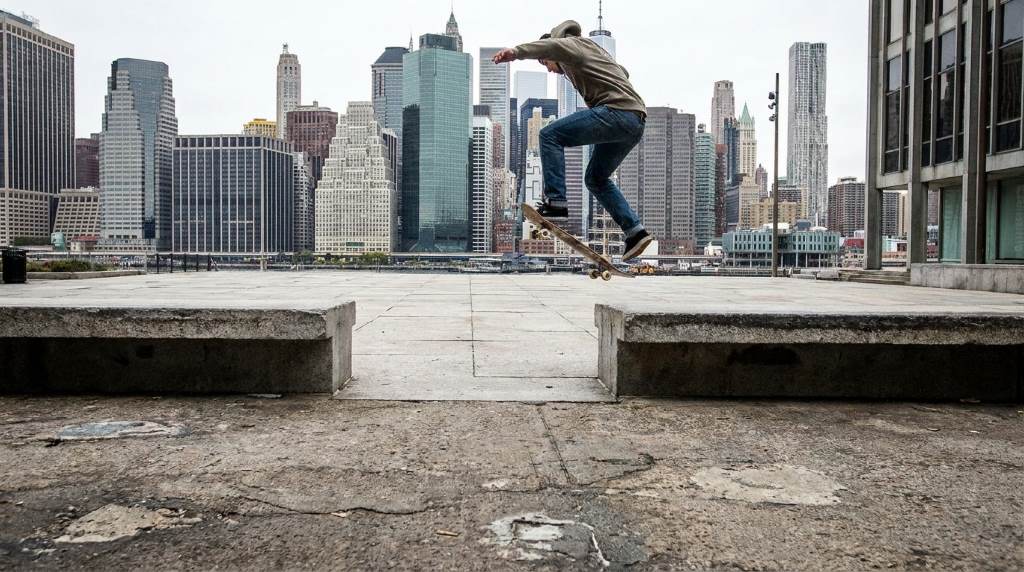
Skateboard gaps hurt ankles in New York, NY because landings can overload joints before muscles regain control. Uneven pavement, narrow landing zones, traffic pressure, and repeated attempts increase that stress. About 25,000 ankle sprains occur daily across the United States, according to AAOS. Proper technique and best skate sneakers can reduce avoidable landing errors.
Key Takeaways
- Gap landings create sudden forces that travel directly through the ankle.
- New York streets can add cracks, slopes, curbs, and unpredictable landing surfaces.
- Landing with a locked ankle increases stress and reduces shock absorption.
- Weak calves, poor balance, and limited ankle mobility can worsen landing problems.
- Controlled progression matters more than repeatedly attempting larger gaps.
- Persistent swelling, instability, or sharp pain deserves professional evaluation.
Why New York Skateboard Gaps Create Harsh Landings
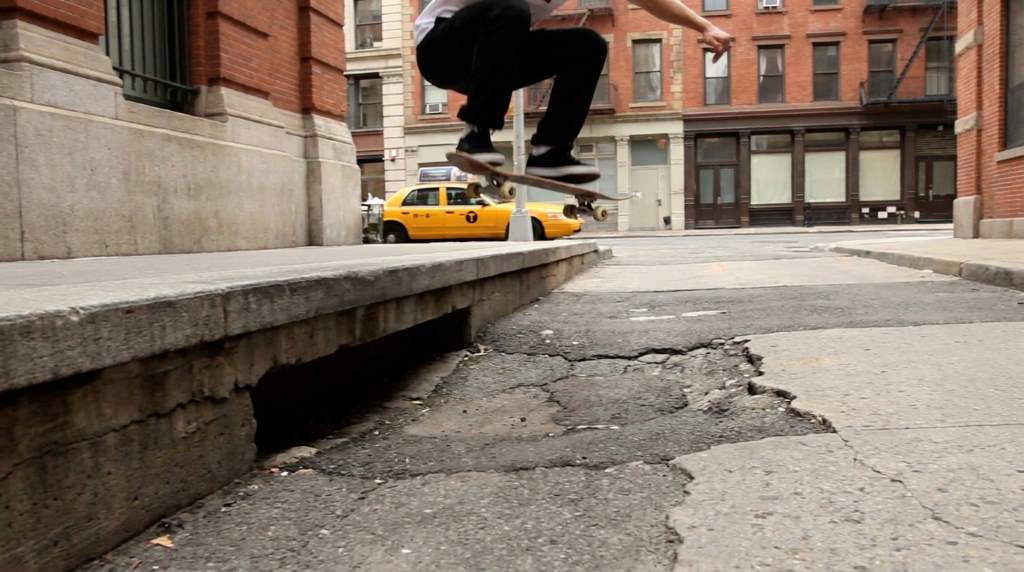
Skateboard gaps demand more than enough speed to clear an obstacle. Riders must control rotation, board position, body alignment, and landing pressure simultaneously. Therefore, even a successful gap can place substantial stress on the ankles.
New York streets introduce another variable because pavement rarely provides a perfectly predictable landing surface. Cracks, patched asphalt, sloped sidewalks, drainage covers, and broken edges can change foot placement instantly.
Moreover, crowded surroundings can influence decision-making during a landing. A rider may shorten a jump, shift weight suddenly, or avoid a pedestrian without completing the intended movement.
Repeated attempts also create cumulative fatigue throughout the lower legs. As the calves tire, ankle control often becomes slower and less precise.
For safer practice, inspect the approach, gap, and landing area before committing. A few seconds of observation can reveal surface changes that become dangerous at landing speed.
How Landing Mechanics Stress the Ankle
The ankle works like a mobile shock absorber during a controlled skateboard landing. It allows the foot and lower leg to adapt while the knees and hips absorb additional force.
However, a stiff landing reduces that natural absorption. When the foot strikes flat or the ankle remains rigid, forces travel upward before surrounding muscles can dissipate them.
Landing too far forward creates another problem because the toes may absorb excessive pressure. Conversely, landing heavily on the heels can disrupt balance and force the ankle backward.
Experienced riders usually allow controlled flexion through the ankles, knees, and hips. This coordinated movement spreads impact rather than concentrating it around one joint.
Footwear also influences how confidently a rider controls the board during impact. However, shoes cannot compensate for poor mechanics, excessive speed, or an unsuitable landing.
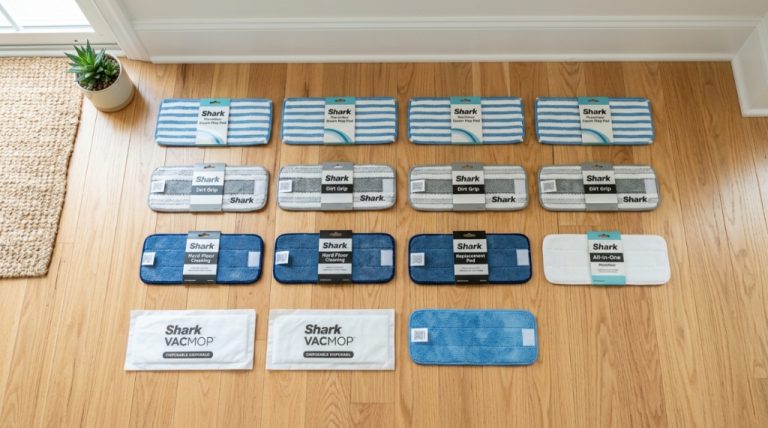
Even household surfaces demonstrate why traction and stability matter during sudden movement. For example, Shark floor pads illustrate how surface contact can influence stability during movement.
The Three Landing Errors That Matter Most
- Locked ankle: A rigid ankle limits natural shock absorption and increases impact concentration.
- Collapsed foot position: Excessive inward rolling can compromise alignment during impact.
- Late foot placement: Last-second adjustments can twist the ankle while the board moves beneath you.
These errors often appear together rather than separately. A rider who lands tired may stiffen the ankle while simultaneously shifting weight toward one side.
How Skatepark and Street Surfaces Change Ankle Risk
New York offers skateboarding environments with dramatically different surface characteristics. Smooth skatepark concrete behaves differently from rough asphalt, brick, painted pavement, or patched street sections.
Smooth surfaces can make board movement predictable, but they still demand accurate landing alignment. Rough surfaces may slow wheels suddenly, increasing the chance of unexpected ankle rotation.
Likewise, seams between surfaces can catch wheels or alter board direction during touchdown. Riders should therefore examine transitions before attempting a gap repeatedly.
Weather can further change surface behavior, especially after rain or during colder conditions. Wet pavement reduces traction, while debris can interfere with wheel contact and foot stability.
Even visual distractions deserve attention because New York streets remain active environments. A rider should never treat pedestrians, vehicles, cyclists, or construction areas as secondary concerns.
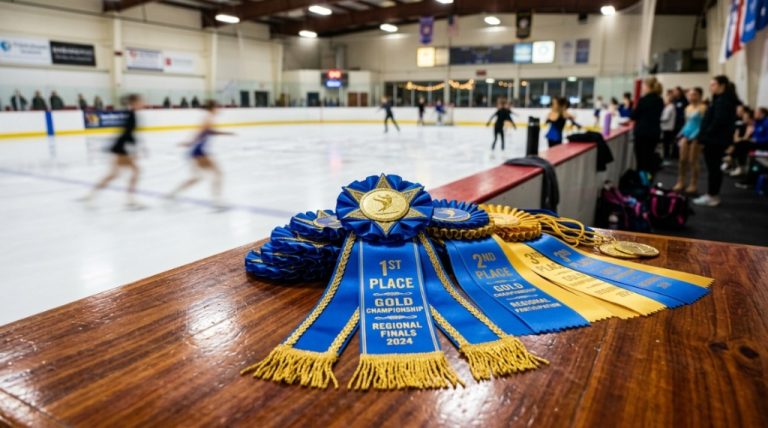
Small objects can also affect equipment and movement in surprising ways. Similar attention to physical durability appears in durable ribbons Florida event equipment, where reliable materials support controlled movement.
Surface Checks Before a Gap
- Approach: Look for cracks, loose debris, water, and sudden changes in slope.
- Takeoff: Confirm that the front wheels will leave a stable, predictable edge.
- Landing: Identify the cleanest section with enough room for correction.
- Runout: Make sure you have space to slow down without obstacles.
A clean landing requires more than clearing the gap itself. The rider also needs enough runout to regain balance after touchdown.
Why Strength and Mobility Matter During Gap Attempts
Ankle control depends heavily on the muscles surrounding the lower leg and foot. Strong calves can help manage force, while balanced lower-leg strength supports controlled board landings.
Mobility matters just as much because the ankle must move through a useful range during impact. Limited movement can encourage compensations through the foot, knee, or hip.
Balance training can also improve the rider’s ability to recover from imperfect landings. Single-leg exercises provide a simple starting point because they challenge stability without requiring a skateboard.
Progressive calf raises, controlled squats, and single-leg balance drills can build useful foundations. However, riders should increase difficulty gradually rather than chasing fatigue.
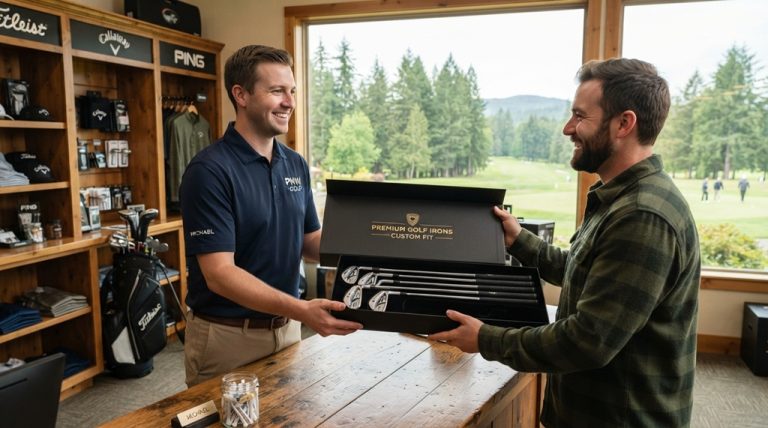
Golf provides another useful example of controlled lower-body mechanics. A discussion of golf irons Washington can reinforce how equipment and body control work together during precise movement.
A Practical Ankle Preparation Routine
- Warm up: Walk, roll gently, and perform controlled ankle circles.
- Activate: Complete slow calf raises and single-leg balance exercises.
- Mobilize: Move each ankle forward carefully without forcing its range.
- Practice: Start with small drops before attempting larger gaps.
- Recover: Stop when control deteriorates or pain appears.
This routine should prepare the body rather than exhaust it. The goal involves better control, not maximum repetition before a difficult attempt.
How to Practice Skateboard Gaps Without Overloading Your Ankles
Gap progression should follow skill development rather than excitement. Begin with movements that let you practice takeoff, board control, landing, and braking separately.
Next, choose a small gap with a generous landing area. Repeat it until your landing feels consistent without excessive conscious correction.
Then increase only one variable at a time. You might add distance while keeping the landing height and surface unchanged.
Similarly, avoid increasing gap size immediately after a successful attempt. One clean landing proves possibility, while consistent repetitions demonstrate control.
Fatigue provides another important stopping signal. When your feet begin landing inconsistently, additional attempts can reinforce poor mechanics instead of improving skill.
Use the Stoplight Approach
- Green: Stable landings, normal movement, and predictable board control.
- Yellow: Growing fatigue, repeated corrections, or mild stiffness after practice.
- Red: Sharp pain, swelling, instability, numbness, or repeated ankle rolling.
Move to easier practice whenever your body enters the yellow zone. Stop completely when symptoms enter the red zone.
This approach keeps progression measurable and removes unnecessary pressure from individual attempts. It also helps riders distinguish productive challenge from avoidable overload.
What to Do When Your Ankle Hurts After a Gap
Mild soreness does not automatically indicate a serious injury, but pain deserves attention after a hard landing. First, stop skating and avoid immediately testing the ankle with another jump.
Watch for swelling, bruising, reduced movement, tenderness, or difficulty bearing weight. These signs can indicate more than ordinary post-session fatigue.
If the ankle feels unstable, repeatedly gives way, or produces significant pain, seek medical evaluation. A qualified clinician can determine whether the injury involves ligaments, tendons, bones, or another structure.
Do not use pain as a benchmark for toughness. Returning too quickly can prolong recovery and create compensatory movement patterns.
When symptoms improve, return gradually through walking, balance work, basic riding, and smaller movements. Only resume larger gaps after normal control returns.
When Professional Assessment Makes Sense
- Pain prevents normal walking or weight-bearing.
- Swelling appears quickly after impact.
- The ankle repeatedly feels unstable.
- Bruising becomes extensive or continues spreading.
- Movement remains restricted after initial recovery.
- Pain continues despite reduced activity and basic recovery.
These situations warrant more caution because guessing the injury can delay appropriate treatment. Professional assessment provides a clearer route back to skating.
How Footwear Supports Safer Skateboarding
Skate shoes cannot prevent every ankle injury, but suitable footwear can improve board feel and foot stability. Look for secure heel fit, appropriate cushioning, and a sole that provides reliable board contact.
Excessively loose shoes can allow unwanted foot movement during landing. Meanwhile, worn soles may reduce predictable contact with the board.
Choose footwear according to your skating style, terrain, and personal comfort. A shoe should support controlled movement without restricting the ankle unnecessarily.
Still, footwear represents only one part of injury prevention. Good technique, sensible progression, surface awareness, and adequate recovery remain more important.
A New York Specific Gap Strategy
Street skating requires environmental awareness because the riding surface can change within seconds. Therefore, riders should treat every unfamiliar gap as a new technical problem.
Start by studying the landing rather than focusing only on the obstacle. Identify cracks, slopes, debris, pedestrians, drainage features, and available stopping space.
Next, visualize the landing position before building speed. Decide where your feet should settle and how you will absorb the impact.
Afterward, perform a lower-risk version whenever possible. A smaller drop or slower approach can reveal problems without demanding maximum commitment.
Finally, respect changing conditions throughout the session. Construction, weather, crowds, and surface wear can turn a familiar line into a different challenge.
Five Questions to Ask Before Committing
- Can I clearly see my entire landing zone?
- Does the landing surface provide predictable wheel contact?
- Can I comfortably control my speed before takeoff?
- Can my ankles, knees, and hips absorb the landing?
- Do I have enough runout if the landing becomes imperfect?
If one answer concerns you, reduce the difficulty or choose another line. Smart riders manage uncertainty before it becomes an emergency.
Conclusion: Protect Your Ankles Without Losing Progress
Skateboard gaps hurt ankles when impact, poor alignment, fatigue, and unpredictable surfaces overwhelm the body’s ability to absorb force. New York adds unique challenges through rough pavement, crowded spaces, changing conditions, and varied street architecture.
The safest strategy combines progressive practice, deliberate landings, useful ankle mobility, lower-leg strength, and suitable footwear. Most importantly, respect pain and instability instead of repeatedly testing them.
Before your next gap attempt, inspect the landing, warm up properly, and choose a difficulty you can control. If an ankle injury causes significant pain or instability, get professional medical guidance before returning to skating.
Call to action: Review your landing technique, check your skating surface, and build your next gap progression around control rather than distance.
Frequently Asked Questions
Why do skateboard gaps hurt ankles?
Gaps can create sudden landing forces that overwhelm ankle stability, especially with poor alignment or fatigue.
Can skate shoes prevent ankle injuries?
Supportive skate shoes can improve stability and board control, but they cannot replace proper landing technique.
Are New York streets harder on skateboard ankles?
They can be because rough pavement, cracks, slopes, debris, and crowded areas create unpredictable landing conditions.
Should I skate through ankle pain?
No, persistent or sharp pain should end the session until the ankle receives appropriate evaluation or recovery.
How can I safely progress to larger skateboard gaps?
Increase one difficulty factor at a time while maintaining consistent landings and stopping when control declines.



+ There are no comments
Add yours