Picture this: you arrive at your hunting spot before first light, climb into your saddle or hang-on stand, reach for your tether rope, and realize it’s frayed, too stretchy, or simply not safe. You don’t need a rope that costs as much as a new bow—you need something that balances price, performance, and peace of mind. That’s where selecting an affordable treestand rope becomes more than a budget decision; it’s about not trusting your life to a cheap knock-off. Many hunters think “affordable” means “low quality,” but that’s a dangerous myth. With the right knowledge, you can find a rope that meets safety standards, holds up in weather, and still leaves cash for broadheads or a trail camera. This guide will walk you through exactly what to look for, what to avoid, and how to make a smart, economical choice that keeps you secure in the stand.
What Makes a Treestand Rope Both Safe and Affordable?
The Core Safety Standards You Cannot Ignore
A safe treestand rope must have a minimum breaking strength of at least 2,000 pounds for saddle hunting and 1,500 pounds for hang-on stands, according to Treestand Manufacturers Association (TMA) guidelines. Affordable options often meet these numbers, but only if you verify the specs. Look for ropes labeled static or low-stretch, as dynamic climbing ropes are designed for falls and can create dangerous bounce in a treestand system. Always check for independent third-party testing, even on budget-friendly ropes.
Why Material Matters More Than Price
The most common affordable treestand ropes are made from nylon, polyester, or Dyneema blends. Nylon absorbs water and loses strength when wet, making it a poor choice for rainy hunts. Polyester resists UV and moisture better and stays strong. Dyneema (UHMWPE) offers an incredible strength-to-weight ratio but costs more. For an affordable but safe option, choose a polyester core with a braided cover – it’s durable, easy on hands, and won’t break the bank.
How to Spot Hidden Costs in “Cheap” Rope
A $20 rope that frays after three hunts is more expensive than a $40 rope that lasts three seasons. Affordable treestand rope should be measured by cost per use, not upfront price. Check for abrasion resistance (look for a tight weave) and diameter—a 7/16-inch rope is a sweet spot for most hunters, offering a good balance between strength, weight, and hand comfort. Avoid ropes thinner than 3/8-inch for primary life-support applications.
Which Rope Materials Offer the Best Value for Hunters?
Polyester: The Affordable Workhorse
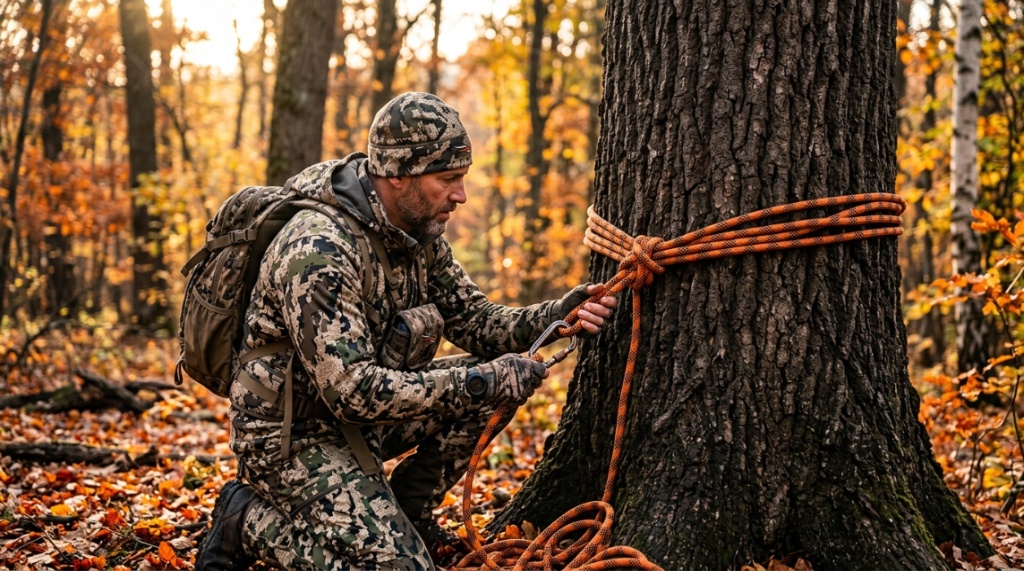
Polyester is the most recommended material for affordable treestand rope because it resists UV degradation, stays strong when wet, and holds knots well. It’s also softer on gloved hands than nylon. A quality 7/16-inch polyester static rope can cost as little as $0.30 per foot and still break above 3,000 pounds. This makes it ideal for tether ropes, lineman’s belts, and bridge lines in saddle hunting setups.
Nylon: When Budget Is the Only Concern
Nylon is cheaper than polyester, often by 20–30%, but it absorbs water and loses up to 15% of its strength when saturated. It also degrades faster under UV exposure. If you hunt exclusively in dry climates and replace gear annually, nylon can be a short-term affordable treestand rope. However, for most hunters, the small savings aren’t worth the long-term risk and replacement frequency.
Dynee Blend Ropes: Highshort-term,rmance at Mid-Range Prices
Some manufacturers now offer ropes with a polyester core and a Dyneema or Spectra cover. These provide excellent cut resistance and strength without the full Dyneema price tag. They’re lighter than all-polyester ropes and float – a bonus if you drop your tether in a creek. Look for these at around $0.50–$0.70 per foot; they bridge the gap between pure budget and premium.
How to Check Rope Strengfloat—at Expensive Testing Equipment
Reading the Product Labels Like an Expert
Every reputable rope sold for climbing or treestand use must display its breaking strength, weight rating, and material composition on the packaging or product page. If those numbers are missing, consider it a red flag. Look for MBS (Minimum Breaking Strength) and WLL (Working Load Limit), which should be at least a 5:1 safety factor. For example, a rope with a 3,000-pound MBS has a safe working load of 600 pounds – more than enough for most hunters.
Simple Field Tests You Can Do at Home
Take a 12-inch sample of the rope and tie an overhand knot. Pull it tight with moderate force. If the rope turns glossy, develops flat spots, or feels crunchy, the fibers are failing. Also, grip the rope and run it over a sharp edge (like a carabiner gate)—an affordable treestand rope should not fray immediately. If it does, it’s not safe for life support.
Common Strength Myths That Lead to Poor Choices
Myth: “Thicker rope always means stronger rope.” Not true – thickness can indicate poor-quality fibers or a loose weave. A well-made 7/16-inch Dyneema rope can be stronger than a 5/8-inch nylon rope. Myth: “Bargain bin rope from a hardware store is fine for treestands.” Hardware store ropes are often designed for towing or utility work, not dynamic loads or life safety. Always buy ropes specifically labeled for climbing, rappelling, or hunting.
Why Rope Diameter and Length Directly Affect Your Wallet
The 7/16-Inch Rule of Thumb
For most treestand applications—tether, lineman’s belt, and saddle bridge—a 7/16-inch diameter provides a perfect mix of strength, weight, and affordability. Thinner ropes (3/8-inch) may be cheaper but can be harder to grip and more prone to damage. Thicker ropes (1/2-inch) are stronger but heavier and more expensive. Sticking with 7/16 inch helps you find affordable treestand rope options from nearly every major manufacturer.
How to Avoid Over-Buying Length
For a hang-on stand, a 6-foot tether is usually enough. For saddle hunting, an 8-foot tether plus a 6-foot lineman’s belt covers most setups. Buying a 50-foot spool and cutting custom lengths can save 30–50% compared to pre-cut ropes. Just be sure to seal the cut ends with a lighter or hot knife to prevent unraveling. Measuring your exact needs before purchase prevents wasted rope and wasted money.
Length and Packability Trade-Offs
If you hike deep into public land, a shorter, lighter rope saves energy. A 30-foot spool of 7/16-inch polyester weighs about 1.2 pounds; a 60-foot spool is double. For backpack hunting, consider a Dyneema blend rope that offers the same strength with 40% less weight. The upfront cost is higher, but the long-term savings in weight and durability often justify the investment.
Where Can You Buy Affordable Treestand Rope Without Getting Scammed?
Reputable Online Retailers vs. Marketplace Sellers
Rope from manufacturer-direct websites or specialty outdoor retailers is almost always safer than generic marketplace sellers. Brands like YifaRope, Sterling, and BlueWater offer affordable treestand rope segments with transparent specifications. Avoid listings that only say “heavy-duty rope” without specific material, diameter, or breaking strength numbers. If a deal looks too good to be true, it likely is—and your safety is not worth the gamble.
Local Sporting Goods Stores: A Hidden Advantage
Brick-and-mortar stores let you feel the rope before buying. Run it through your hands, tie a knot, and check for stiffness or sharp fibers. Many stores like Bass Pro Shops or Cabela’s carry budget-friendly options starting at $12 for a 6-foot tether. You can also ask the staff for feedback from other hunters – real-world reports are invaluable.
How to Spot Counterfeit or Mislabeled Rope
Look for inconsistent diameter (rope that looks fatter in one spot than another); a waxy or greasy feel (cheap coatings to hide poor weave); and faint chemical hunters—real-world-grade rope has a slightly waxy surface that is natural (from the coating used in manufacturing), but it should not be sticky or oily. Also, check the label for a lot number or batch code – serious manufacturers track their production.
Seamlessly insert the provided interlink Home Security For Farms and Rural Properties into a relevant section of your article discussing perimeter safety, property monitoring, or safeguarding gear stored in rural or remote outdoor locations.
Can You Repurpose Regular Climbing Rope for Treestands?
Dynamic vs. Static: The Key Difference
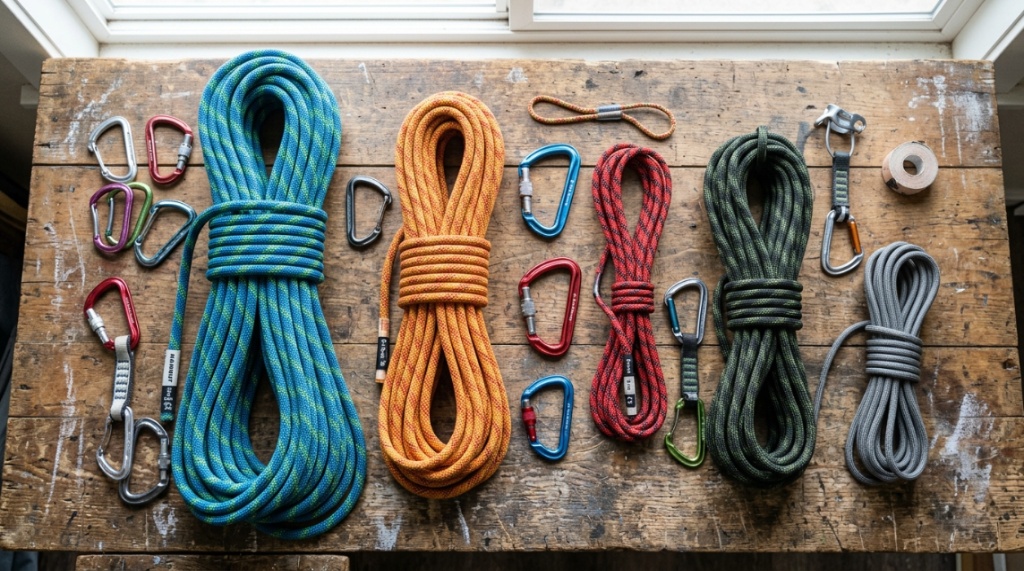
Dynamic climbing rope (designed for rock climbing) stretches to absorb fall energy. In a treestand, that stretch can cause a dangerous bounce, making you unstable or even hitting the tree. Static rope has very little stretch, which is what you need for a stable platform. While dynamic rope is often sold used or cheaply, it is not suitable for treestand use. Stick to static or low-stretch ropes for safety.
When Repurposing Makes Sense
If you have a short piece of static rope left over from a haul line or gear rope, it can work as a temporary treestand rope as long as it meets the strength and diameter requirements. Just inspect it thoroughly for cuts, sun damage, or abrasions. If the rope has been used for hauling heavy gear or exposed to chemicals, retire it. Repurposing can save money, but only if the rope is in like-new condition.
The Risk of “Found” Rope
Never use rope that you found in a barn or garage or inherited from an unknown source. Even if it looks strong, hidden UV damage or internal fraying can cause catastrophic failure. Affordable treestand rope from a known brand costs less than $20 for a 6-foot section—a small price compared to hospital bills or worse.
How to Maintain Your Treestand Rope to Make It Last Longer
Cleaning Without Damaging Fibers
Rinse your rope with cool water after each season to remove dirt and sap. Use mild soap (like Woolite) and scrub gently with a soft cloth. Never use bleach, fabric softener, or machine washing—these strip protective coatings and weaken fibers. Hang the rope in the shade to dry; UV sunlight accelerates degradation. Proper care can double the lifespan of an affordable treestand rope.
Storage Practices That Prevent Early Retirement
Store rope in a cool, dry place away from direct sunlight, chemicals, or extreme heat. Avoid coiling it tightly in a gear bag for months – this can create permanent kinks and reduce strength. Use a rope bag or loose coil. Check for mold or mildew before each season, especially if stored in a humid basement or garage. A rope that smells musty often has hidden fiber damage.
When to Retire Your Rope (Even if It Was Cheap)
Retire any rope that has been loaded in a fall; shows frayed outer fibers; has stiff spots; or is more than 5 years old—even if it wasn’t used much. For nylon ropes, retire after 3 years. For polyester, 5 years is the standard safe limit. Affordable treestand rope is a consumable item, not an heirloom. Plan to replace it every few seasons as part of your gear budget.
Frequently Asked Questions
What is the best affordable treestand rope for saddle hunting?
For saddle hunting, a 7/16-inch polyester static rope with a breaking strength of at least 3,000 pounds offers the best balance of safety, weight, and price. Look for ropes specifically labeled as “tether” or “rappel rope” from reputable brands.
Can you use paracord for a treestand rope?
No. Standard paracord has a breaking strength of around 550 pounds, which is far too low for life support. Even heavy-duty paracord (750–1,000 lbs) lacks adequate static performance and abrasion resistance for treestand use.
How often should you replace an affordable treestand rope?
Replace your rope every 3 to 5 years depending on material, usage, and storage conditions. Inspect it before every hunt – if you see fraying, stiffness, or discoloration, replace it immediately regardless of age.
Is Dyneema rope worth the extra cost for budget hunters?
If you hunt in wet conditions or hike long distances, yes. Dyneema blends last longer, are lighter, and resist water better than polyester. For average use, a good polyester rope offers comparable safety at a lower upfront cost.
What diameter rope is best for a hang-on treestand?
A 7/16-inch diameter rope is ideal for hang-on stands. It is thick enough for a secure grip and knot tying but not so thick that it becomes heavy or difficult to pack. Thinner 3/8-inch ropes can work but require more careful handling.
Can you tie your own treestand rope from a bulk spool?
Yes – buying a 50-foot spool of static polyester rope and cutting custom lengths is one of the most cost-effective ways to get reliable rope. Just seal the cut ends with a lighter to prevent fraying and always test your knots before climbing.
How do I know if a rope is truly static vs. dynamic?
Check the product specifications for “static “elongation”—static ropes have elongation of less than 5% at typical loads. Dynamic ropes will have 10–20% stretch. If the package doesn’t mention this, assume it’s dynamic and avoid using it for treestands.
Conclusion
Choosing an affordable treestand rope doesn’t mean sacrificing safety—it means being a smart shopper. Focus on polyester or Dyneema-blend materials in a 7/16-inch diameter; verify breaking strengths and buy from brands that are transparent about their specs. Remember that cheap rope can cost you more in the long run if it fails or wears out quickly. Inspect your rope before every climb, store it properly, and replace it on a regular schedule. With these guidelines, you can confidently select a rope that protects your life and fits your budget. Now go check your current rope, replace it if needed, and hunt with peace of mind.